


Botulinum toxin injections
Botulinum toxin type A has transformed the way we soften the signs of aging on the face.
It is a neuromodulator used in aesthetic medicine to temporarily soften expression lines. If you are considering this treatment in Montreal, note that the price of injections varies depending on the clinic and the areas treated. Botulinum toxin is one of the most widely used treatments in facial aesthetic medicine.
This treatment may not be suitable for certain darker or recently tanned skin tones and must be assessed during consultation.


What is botulinum toxin?
Botulinum toxin type A is a purified protein derived from cultures of the bacterium Clostridium botulinum. Its medical use first focused on strabismus, certain facial spasms and eyelid tics. A reduction in wrinkles around the treated eye was then observed, which paved the way for its aesthetic use to soften wrinkles. Before/after examples of the eye area can be convincing; results vary from person to person.
Botulinum toxin works mainly on dynamic wrinkles (caused by muscle movement). By acting at the neuromuscular junction, it gradually relaxes the targeted muscles, which softens expression lines.
Differences between botulinum toxin formulations
Several formulations of botulinum toxin type A are available in aesthetic medicine. Although they share the same active ingredient, they can differ in formulation, diffusion and onset of action.
In terms of onset, the first results can appear between 2 and 7 days depending on the formulation used. Individual response can vary depending on muscle physiology and the area treated.
As for duration of action, in clinical practice it varies from person to person, by treated area and by muscle response. Personalized follow-up allows the protocol to be adjusted based on the observed response.
Product diffusion is another key factor. Some formulations spread more widely, which can be an advantage for treating large areas such as the forehead. Others are preferred for more precise corrections, particularly at the glabella or crow’s feet.
The choice of formulation depends on facial anatomy, muscle strength and the patient’s aesthetic goals. The cost-benefit analysis depends more on the number of units needed than on the price per unit. The qualified professional assesses these factors during the consultation to determine the most suitable approach.
Indications for botulinum toxin on the face
Expression lines appear with facial movement. In younger people, the skin becomes smooth again after contraction; over time (from your thirties), elasticity decreases and lasting creases set in.
The main areas treated are typically located in the upper third of the face:
- Horizontal forehead lines. The number of units varies depending on muscle strength and your goals.
- Frown lines (glabellar lines) between the eyebrows.
- Crow’s feet at the corners of the eyes.
Because of their versatility, neuromodulators such as Botox and Dysport can also address early signs of aging and help prevent deeper lines from forming.
Other treatable areas
- Gummy smile, caused by overactive muscles that lift the upper lip; botulinum toxin can soften it naturally.
- Smoker’s lines: fine vertical lines on the lips.
- Marionette lines on either side of the mouth, when caused by repeated facial expressions (and not by skin laxity).
- Bunny lines: small wrinkles on the sides of the nose.
- Enlarged masseter muscle: in case of hypertrophy, botulinum toxin can slim the lower face and soften the facial contour (“facial slimming”).
Botulinum toxin (e.g., Botox, Dysport or other) is the reference treatment for facial expression lines, the dynamic wrinkles formed by repeated muscle contractions over the years. Its preventive use, started as soon as the first fine lines appear (particularly on the forehead and between the eyebrows, from your thirties), slows their gradual deepening before they become permanently etched into the skin. For a natural result, our clinic’s professionals assess muscle dynamics and the areas to be treated to establish a personalized protocol. To better understand wrinkles and fine lines and their causes, see our page on wrinkles and fine lines.
Masseter neuromodulator injection in Montreal: bruxism and jaw harmonization
Neuromodulator injection into the masseter, performed at our medical aesthetics clinic in Montreal, serves two complementary goals: relieving the symptoms of bruxism (teeth clenching and grinding, chronic jaw tension) and slimming the lower face by reducing muscle hypertrophy. Both benefits are achieved in a single consultation with our professionals, with no separate dental referral needed. Many private insurance plans in Quebec cover this treatment when performed for a therapeutic indication; we invite you to check your coverage with your insurer before your appointment. To learn more about the full clinical approach, see our page on bruxism treatment.
The procedure in practice
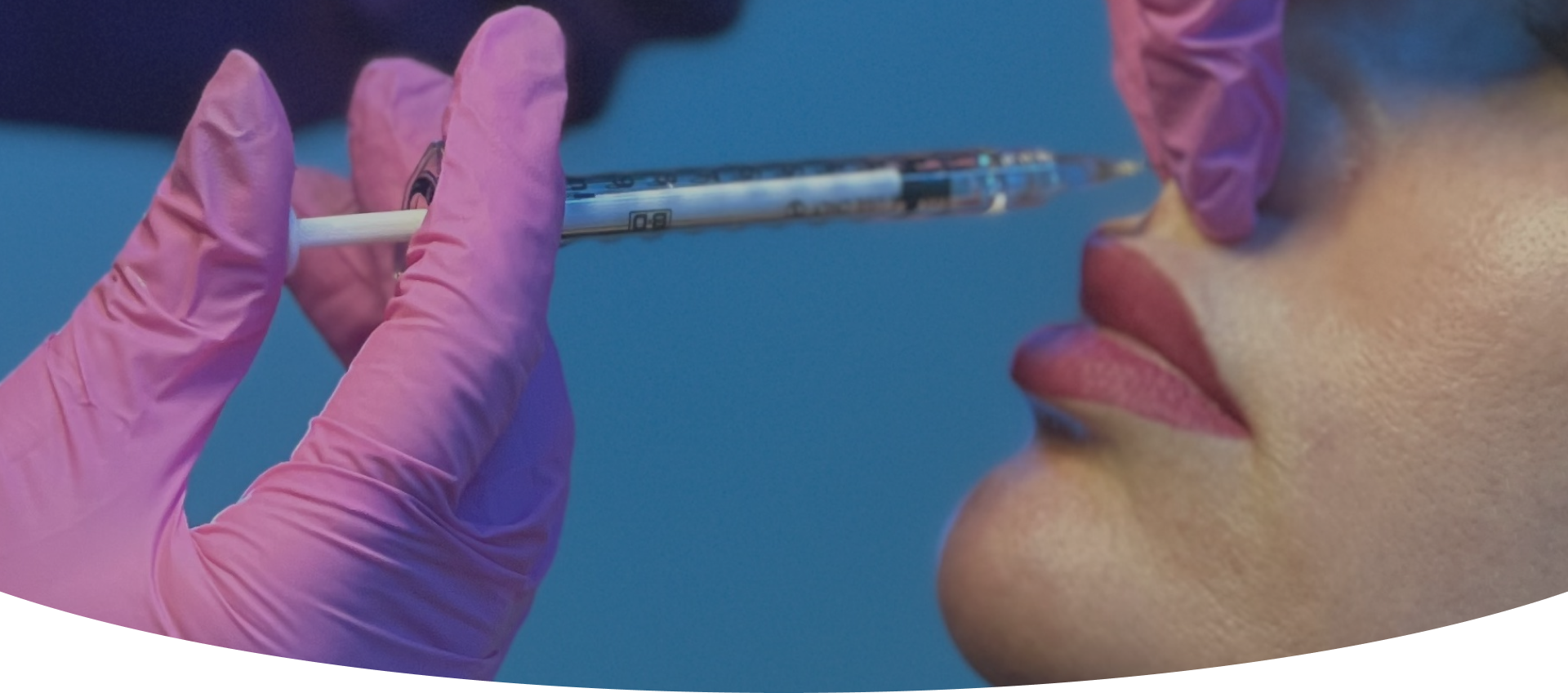
The professional assesses your facial expressions and skin mobility to define the areas to be treated. After removing makeup and disinfecting the skin, injections are made at precise points in the muscles responsible (and sometimes intradermally, depending on the indication). The desired effect appears gradually: around day 3, a subtle relaxation is often noticeable; the optimal result is seen around 10 to 15 days.
The desired effect begins to appear gradually. Many patients wonder what to expect 3 days after botulinum toxin. At this stage, a subtle relaxation of the muscles can already be noticed, although the final result is optimal after about 15 days.
The benefits of botulinum toxin
Botulinum toxin is a well-established treatment with a recognized safety profile when performed by a trained professional. It can help delay the onset of certain expression lines in younger adults and soften the features of a more mature face. For very deep wrinkles, botulinum toxin can be combined with hyaluronic acid in a global approach: the first limits muscle contraction, the second fills the hollows.
Tips for a successful treatment
BEFORE: If possible and on your professional’s advice, avoid medications that promote bleeding in the week before. The treatment can be performed on tanned or untanned skin. Ideally, arrive without makeup; if needed, we can remove it on site.
DURING: The session is generally well tolerated and lasts approximately 15 to 30 minutes, depending on the number of areas treated.
AFTER: No major social downtime is expected after the session; you can resume your activities. Avoid massaging or pressing firmly on the treated areas for 24 to 48 hours to limit diffusion of the product.
AFTER-EFFECTS: Rare temporary effects may occur (headaches, redness, slight swelling or small bruises at the injection points).
Expected results
The first effects are often noticeable from day 3, with improvement continuing until day 14. Wrinkles fade and the face looks more relaxed, without a frozen look. A follow-up visit is generally offered 2 to 3 weeks after the treatment. The duration of action is generally 4 to 6 months; a new session can be considered between the 4th and 6th month to maintain the result. Over the sessions, the dosage becomes better calibrated and some of the movements responsible for wrinkles become less habitual
FAQ sur
Injections de toxine botulique
What is the difference between botulinum toxin injections for the face?
What is the average price of a botulinum toxin injection?
Are there specific risks to botulinum toxin injections around the mouth?
Can you exercise right after a botulinum toxin injection?
What is a “lip flip” and how does it differ from hyaluronic acid lip injections?
Can botulinum toxin prevent facial wrinkles from forming?
Does botulinum toxin treat all facial wrinkles, or only certain types?


Clinique Main d'Or


