


Electrocoagulation
Electrocoagulation, sometimes called thermocoagulation, is an aesthetic technique that has been used for more than 60 years to remove circulatory anomalies and certain skin irregularities using an ultra-fast high-frequency current. Understanding how it works also helps clarify the possible side effects of electrocoagulation on sensitive skin.


What is electrocoagulation?
Electrocoagulation is a permanent, non-invasive method that uses intense heat produced by a high-frequency electric current via a device called an HF electrocoagulator. This also helps in better understanding certain aspects related to the side effects of electrocoagulation.
This technique is used to coagulate small capillaries or certain superficial skin imperfections in order to reduce their appearance or eliminate them completely. Hence the importance of fully understanding the possibility of side effects from electrocoagulation in a few specific cases.
When should you consider electrocoagulation?
Electrocoagulation involves placing a thin filament on the surface of the skin without piercing it, providing a sensation of heat that helps reduce or eliminate the following skin irregularities, while taking into account the minimal possibility of an electrocoagulation side effect.
The most common indications are:
- Spider veins
- Skin tags (small, benign skin growths)
- The milia (superficial epidermal cysts filled with sebum)
- Cherry angiomas (bright red vascular lesions)
- Cholesterol deposits
Electrocoagulation is one of the approaches for facial spider veins and rosacea, two vascular conditions characterized by dilated, visible superficial capillaries. It is suitable for areas where venous pressure is higher, such as the sides of the nose, where other approaches may be less effective. Facial thermocoagulation is evaluated during a consultation with clinic professionals to determine if this modality is the most appropriate based on the location and nature of the facial spider veins.
Electrocoagulation is a precise skin treatment for facial spider veins (telangiectasias) and rosacea, allowing for the precise, individual targeting of dilated vessels. For small vessels located on the nose, cheeks, and chin, this approach offers a clear advantage over light-based treatments such as IPL or laser. The professionals at Clinique Main d'Or evaluate each patient during an initial consultation to confirm whether electrocoagulation is the most suitable approach for their lesions.
Electrocoagulation and pigmented spots: a targeted option
Electrocoagulation for pigmented spots is also a recognized option for removing certain superficial spots, particularly facial pigmented spots and spots on the back of the hands, especially solar lentigines. These flat, benign lesions, caused by the accumulation of melanin due to repeated sun exposure, respond well to the precision of high-frequency current, which cauterizes the pigment deposit on the surface without damaging surrounding tissue. Before any procedure, our professionals evaluate the nature of each lesion to confirm it is benign and to determine if this approach is appropriate.
Electrocoagulation of a ruby angioma, also known as a cherry angioma, is particularly indicated for small to medium-sized lesions located on the torso, arms, or legs. This technique allows for the treatment of multiple ruby points in a single session, making it an effective option when several lesions are present simultaneously. Electrocoagulation of cherry angiomas offers precise results with minimal recovery time, making it a commonly used approach in the management of this benign lesion.
How does our medical aesthetic clinic perform the procedure?
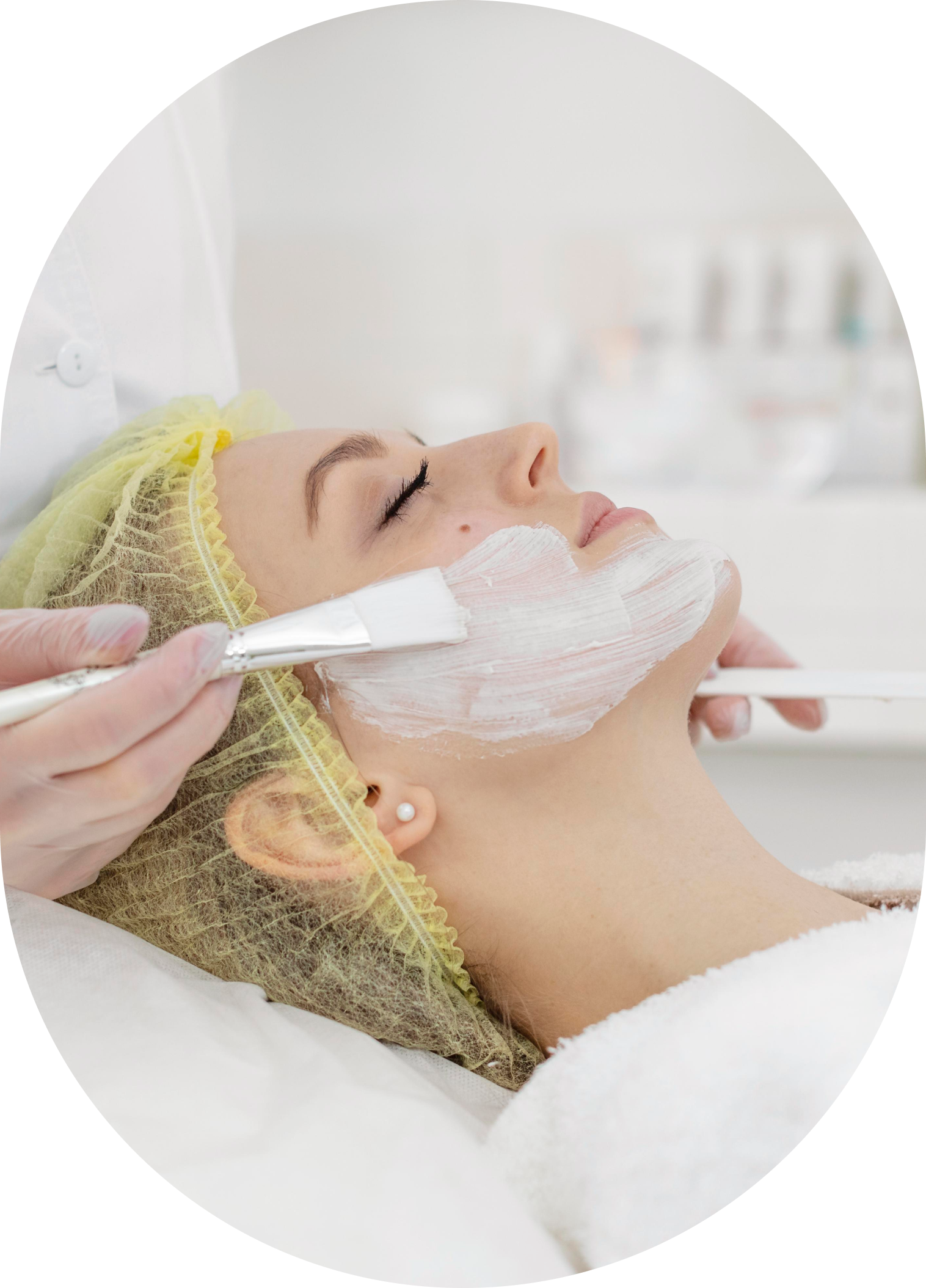
The skin is carefully cleansed of any makeup.
The professional then gently applies the tip of the electrocoagulation stylus to the start of the vessel or the imperfection to be treated, then triggers the radiofrequency current for a few seconds. The stylus is moved progressively to coagulate the vessel or cauterize the irregularity, a precise process that significantly limits any side effects of electrocoagulation.
When the current is applied, the patient may feel a slight sensation of localized heat or tingling.
The benefits of electrocoagulation
This treatment is fast, precise, and offers quickly visible results. It leaves no scars and allows for the removal of several skin imperfections in a single 15-minute session, with a limited risk of transient skin reactions when the procedure is performed according to proper protocols.
The main contraindications for thermocoagulation include individuals with a pacemaker, pregnant women, and those undergoing anticoagulant treatment or suffering from blood clotting disorders. Any active or suspicious skin lesion in the area to be treated is also grounds for a prior evaluation. Before each session, the medical aesthetic clinic's professionals conduct a personalized assessment to confirm your eligibility for the treatment of benign skin growths and to prevent any avoidable side effects.
Advice from our medical aesthetic clinic
Before the treatment
- Avoid sun exposure for the month prior to treatment to prevent the risk of hyperpigmentation. Daily application of an SPF 50+ sunscreen is essential.
- If the skin is damaged in the area to be treated, you must wait for it to heal completely.
During the treatment
- The procedure may be slightly uncomfortable. To minimize discomfort, an anesthetic cream can be applied one hour before the session.
- The procedure takes between 15 and 20 minutes.
After the treatment
- Apply a repairing cream for at least 5 days to promote skin regeneration.
- Sun and UV exposure are contraindicated for the month following the final session; an SPF 50+ sunscreen must be applied diligently.
Normal recovery
- Mild redness and a tingling sensation for a few hours.
- Possible mild swelling or a feeling of warmth within 24 hours.
- Small, fine scabs the size of a pinhead may appear; these will disappear in 4 to 5 days. You must not pick at them under any circumstances.
Expected results
Complete healing takes approximately 8 weeks.
For skin tags, the recurrence rate remains relatively high even after treatment.
For rosacea, several spaced-out sessions may be necessary, depending on the progression of the condition and the skin's response. Maintenance every 2 years helps preserve the results, as the treatment does not prevent the appearance of new dilated capillaries, which is a phenomenon independent of electrocoagulation.
Results may vary from person to person.
FAQ sur
Electrocoagulation
Is electrocoagulation suitable for treating facial spider veins?
What are the contraindications to electrocoagulation?
Which skin conditions can electrocoagulation treat?
Can spider veins come back after electrocoagulation?
How many electrocoagulation sessions does it take to remove milia?
How many electrocoagulation sessions are needed to remove skin tags or milia?
Can you have electrocoagulation in summer or during a period of sun exposure?
Does electrocoagulation of a ruby angioma leave a scar?
How many electrocoagulation sessions does it take to remove ruby angiomas?
Autres Traitements



Clinique Main d'Or


