

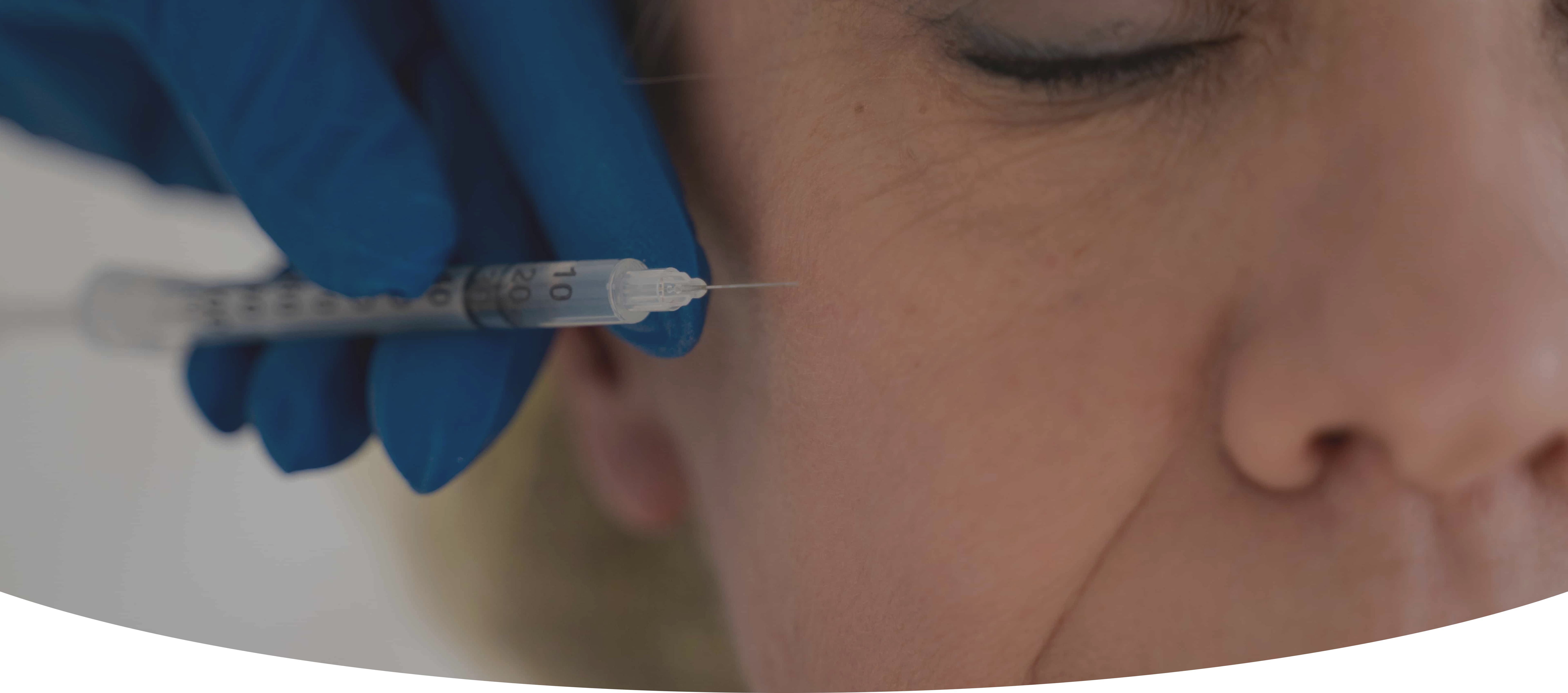


Platelet-rich plasma or hyaluronic acid injections: which is right for you?
Which is right for you?
When it comes to improving skin quality, there are several options open to you. Two treatments frequently offered in medical aesthetics clinics are platelet-rich plasma (PRP) injections and hyaluronic acid injections. But how do you choose which is best for you?
This treatment may not be suitable for certain darker or recently tanned skin tones and must be assessed during consultation.
Treatment goals
Platelet-rich plasma stimulates cell regeneration and collagen production, while hyaluronic acid deeply hydrates the skin and restores volume. These two solutions have complementary effects, but target different needs.
Session duration and frequency
PRP injections are generally given as a course of treatment (3 to 4 sessions spaced one month apart), while hyaluronic acid can produce an immediate effect that lasts between 6 and 18 months, depending on the area treated and the type of product used.


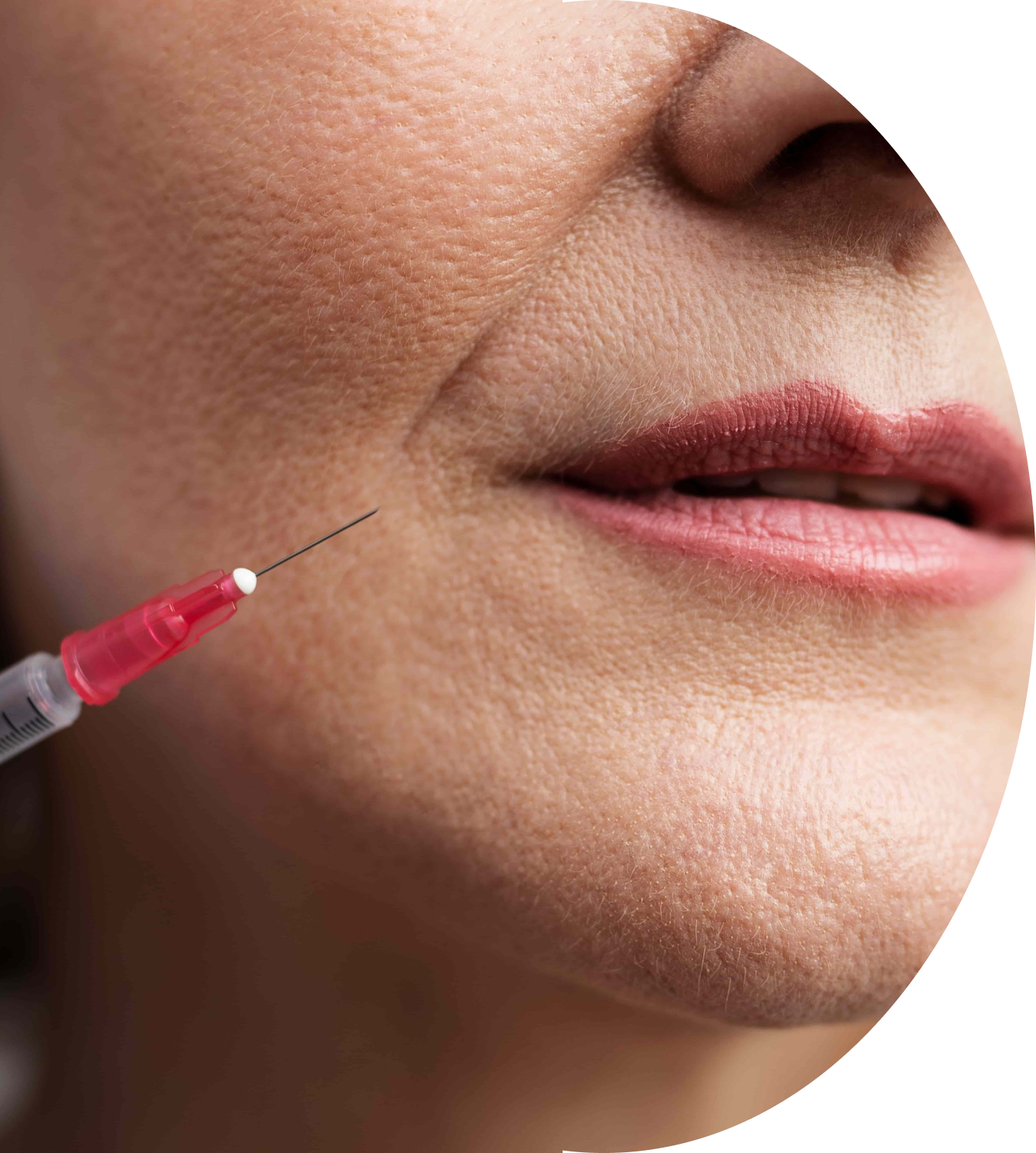
How does platelet-rich plasma work?
PRP is a platelet concentrate extracted from the patient’s own blood. After a blood draw, a centrifugation process isolates the plasma rich in growth factors. Injected into the dermis, this concentrate promotes healing, stimulates collagen production and improves overall skin texture. This natural treatment is particularly popular for facial rejuvenation, hair loss and dull, tired skin.
Platelet-rich plasma injections do not change facial volume; they aim to gradually optimize skin quality. It is a safe, biocompatible treatment, well suited to patients looking for a regenerative approach without synthetic products.
Choosing between PRP treatment and hyaluronic acid (HA) depends on your priorities. If your main goal is skin quality (texture, radiance and fine lines) rather than volume loss, PRP treatment is often the better choice. If you are looking for a visible correction of volume, hyaluronic acid (HA) injections are more suitable. A combination is also possible, and the clinic’s professionals will guide you during the consultation.

Hyaluronic acid: hydration and volume
A substance naturally present in the skin, hyaluronic acid acts like a sponge for water. When injected, it intensely hydrates tissues, fills wrinkles and restores facial volume, particularly around the lips, nasolabial folds, under-eye hollows and cheekbones.
What are the benefits of hyaluronic acid for the skin? They include improved elasticity, deep hydration and visible improvement of hollow or marked areas. In this sense, hyaluronic acid is often preferred when the goal is to redefine facial contours or correct certain signs of aging.
Is hyaluronic acid good for the skin? Yes, because of its plumping and protective effect against environmental aggressors. And is hyaluronic acid effective against acne? It can improve post-acne skin by softening atrophic scars, but it does not replace targeted medical treatment for active acne.
This treatment may not be suitable for certain darker or recently tanned skin tones and must be assessed during consultation.
Platelet-rich plasma vs hyaluronic acid: how to choose?
The choice between these two approaches depends primarily on your goals.
If you want to improve the texture and overall quality of your skin, or slow down the effects of skin aging, platelet-rich plasma is a natural, regenerative option.
If you’re looking to fill wrinkles, restructure facial volume or correct asymmetries, hyaluronic acid injections are the best choice.
In some cases, professionals may recommend a combination of both treatments for a harmonious result. A personalized treatment plan aligns the strategy with your skin’s precise needs.
This treatment may not be suitable for certain darker or recently tanned skin tones and must be assessed during consultation.
FAQ sur
Rich Plasma vs. Hyaluronic Acid Injections
What is platelet-rich plasma and who is it for?
How are platelet-rich plasma injections performed?
Hyaluronic acid or platelet-rich plasma: can I combine the two?
Is platelet-rich plasma suitable for young skin, or should you wait until wrinkles have set in?
How long do platelet-rich plasma injections last compared with hyaluronic acid (HA) injections?


Clinique Main d'Or


