

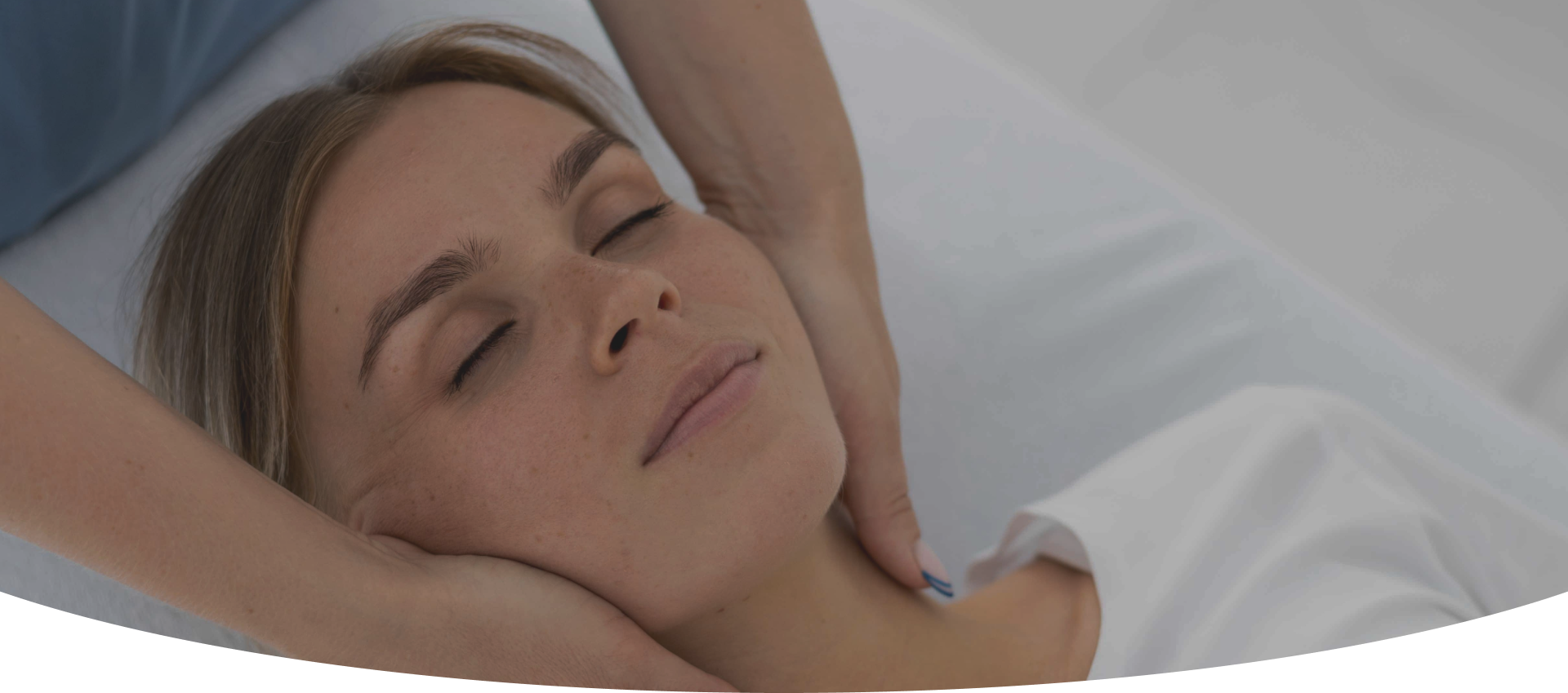


Lymphatic Drainage Massage in Montreal
Lymphatic drainage massage in Montreal is a treatment recognized for its therapeutic and aesthetic benefits. At Clinique Main d’Or, a medical aesthetics clinic, this treatment is performed by qualified professionals in a safe, supervised setting. It is suited both to people recovering from surgery and to those looking for a natural approach to relieve heavy legs, reduce water retention, improve skin quality and promote overall well-being. This gentle, targeted approach supports the natural functions of the human body.
This treatment may not be suitable for certain darker or recently tanned skin tones and must be assessed during consultation.


What is lymphatic drainage?
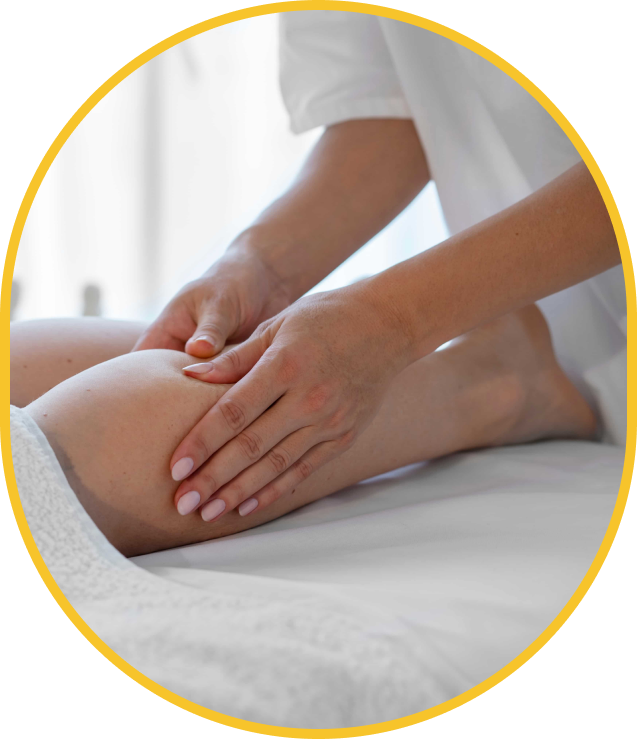
Manual lymphatic drainage, also called MLD, is a specialized massage technique that stimulates the circulation of lymph in the lymphatic system. This network helps eliminate toxins and metabolic waste and keeps body fluids in balance, while supporting the immune system. The treatment uses slow, gentle, rhythmic movements made with the fingers and palm, following the lymphatic pathways. At Clinique Main d’Or, the professionals apply recognized methods, such as the Vodder and Leduc techniques, adapted to each person’s aesthetic or functional needs.
The benefits of lymphatic drainage
Lymphatic drainage stands out for its ability to deliver visible benefits to the body’s appearance while supporting overall health. It is a complete treatment that works on physical comfort as much as on aesthetics.
Aesthetic benefits
Aesthetically, lymphatic drainage helps improve the appearance of the skin, supports healing and helps reduce the look of cellulite linked to water retention. By helping eliminate stagnant fluids, it can help visibly slim the figure and smooth the skin’s texture. Swelling, especially on the face and under the eyes, can be gradually reduced.
Medical and therapeutic benefits
From a therapeutic point of view, lymphatic drainage supports the body’s detoxification and regeneration. It can reduce how often infections occur, relieve pain and tension, and bring noticeable relief to people who suffer from heavy legs. By stimulating the immune system, this massage contributes to better overall balance in the body.
Areas treated with lymphatic drainage
Lymphatic drainage can be applied to different areas of the body as needed. It works effectively on areas prone to swelling, water retention or circulatory fatigue. Each area is treated with adapted techniques to optimize the effects of the treatment.
Lymphatic drainage for the legs
Lymphatic drainage of the legs is especially recommended to ease the feeling of heavy legs and support circulation. It helps decongest the tissues and promotes a lasting feeling of lightness.
Lymphatic drainage for the abdomen
On the abdomen, lymphatic drainage helps reduce swelling and bloating, while supporting abdominal comfort and local lymphatic circulation.
Lymphatic drainage for the arms
Drainage of the arms is recommended for heaviness, swelling or lymphedema. It is also used in certain recovery situations, particularly after breast surgery.
Lymphatic drainage for the face
Facial lymphatic drainage helps reduce puffiness, dark circles and swelling, while improving the radiance of the complexion. It is also popular during recovery after certain injections, as it helps swelling go down and gives a more rested look.
Lymphatic drainage for the ankles and buttocks
Ankles prone to swelling and areas such as the buttocks can benefit from targeted drainage to support circulation and improve the appearance of the skin.
Lymphatic drainage after cosmetic surgery
Lymphatic drainage is often recommended after certain cosmetic surgeries. After liposuction, a tummy tuck, breast surgery or a facelift, lymphatic circulation can be temporarily disrupted. Drainage aims to help reduce edema, support the recovery process and limit the risk of fibrosis.
This treatment contributes to a more comfortable, gradual recovery. It is generally recommended to start sessions on the advice of the health professional or surgeon, from about seven days after the procedure. A personalized protocol is set up to respect the tissues and ensure safe care.
How does a lymphatic drainage session work?
A session begins with a health assessment to identify any contraindications. The professionals then discuss the goals and the areas to be treated. A session generally lasts between 60 and 90 minutes.
The massage consists of gentle, slow, repetitive movements, performed without oil, to respect the physiology of the lymphatic system. After the treatment, people often feel light and relaxed. Recommendations, particularly on hydration, are provided to extend the benefits.
FAQ sur
Drainage lymphatique à Montréal
Does lymphatic drainage help you lose weight?
How many lymphatic drainage sessions are needed?
How long do the effects of lymphatic drainage last?
Autres Traitements




Clinique Main d'Or


