
Dry skin and dehydrated skin are often confused, but they are not the same skin phenomenon. Dry skin is a skin type characterized by a lack of lipids in the hydrolipidic film, which weakens the skin barrier. Dehydrated skin is a temporary condition caused by a lack of water in the epidermis and dermis. All skin types can be affected, including oily or combination skin.

The distinction between dry skin and dehydrated skin mainly depends on the nature of the skin imbalance.
Dry skin is a skin type. It is characterized by insufficient lipid production by the sebaceous glands. Lipids play an essential role in forming the hydrolipidic film, a thin protective layer on the surface of the epidermis.
When this barrier is deficient, the skin retains less water and becomes more vulnerable to external aggressors. Dry skin therefore mainly lacks lipids, which impairs the function of the skin barrier.
Conversely, dehydrated skin is a temporary condition caused by a lack of water in the superficial layers of the skin. This can affect all skin types, including combination or oily skin.
In this case, the skin loses its ability to retain water, particularly when the concentration of hydrating elements, such as hyaluronic acid, decreases in the epidermis and dermis.
The role of the hydrolipidic film is then crucial. This natural barrier limits water loss and protects the skin against environmental aggressors. When it is impaired, the skin becomes more likely to lose its hydration.
It is also common for the two situations to overlap. Naturally dry skin can also become dehydrated, especially in cold or dry environments.
Recognizing the signs often helps distinguish dry facial skin from dehydrated skin.
Dry skin generally has the following characteristics:
These symptoms are often permanent, as they are related to skin type.
Dehydrated skin, on the other hand, shows slightly different signs:
A simple test is the skin pinch test. If, when you gently pinch the skin of your face, it takes time to return to its original shape or shows fine temporary lines, this may indicate dehydration.
It is important to remember that oily skin can also be dehydrated. In this case, the skin produces more sebum to compensate for the lack of water.
Several factors explain the appearance of dry or dehydrated skin, particularly in a climate like Quebec’s.
The first factor is Quebec’s climate, marked by long, cold winters. Outdoor air is often very dry, while indoor heating further reduces humidity levels.
This combination weakens the skin barrier and increases transepidermal water loss (TEWL). When the skin loses more water than it retains, it gradually becomes dehydrated.
Cold and wind also accentuate this phenomenon. They disrupt the hydrolipidic film and reduce the skin’s ability to retain moisture.
Environmental pollution can also play a role. Pollutant particles generate oxidative stress that weakens the skin barrier.
Lifestyle habits also contribute to skin dehydration. For example:
Over time, physiological factors also come into play. Aging leads to a gradual decrease in the natural production of hyaluronic acid, a molecule that can hold up to a thousand times its own weight in water.
Hormones, stress and certain seasonal variations can also influence skin hydration.
When skin becomes dehydrated, a few simple habits can help improve its comfort and hydration.
The first step is to adopt gentle cleansing. Alkaline soaps or overly harsh cleansers can impair the skin barrier and increase water loss.
It is generally better to use a gentle cleanser formulated to preserve the skin’s natural balance.
Next, using a hydrating serum can help boost skin hydration. These formulas often include:
These actives draw water into the epidermis and help improve skin hydration.
Applying a moisturizer suited to your skin type is also important. Dry skin will often benefit from richer textures containing ceramides, while combination skin will prefer lighter formulas.
Hydration also depends on certain lifestyle habits, including:
Daily sun protection also remains essential, even in winter. UV rays can impair the skin barrier and contribute to dehydration.
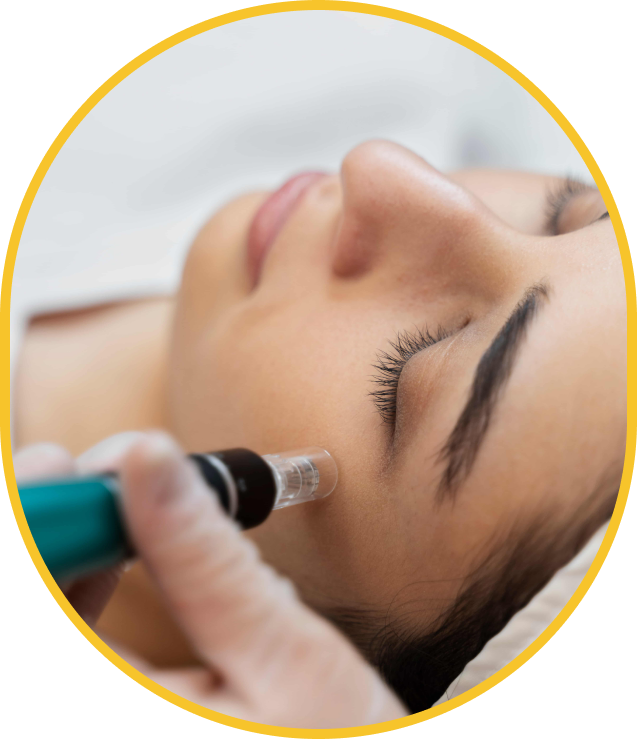
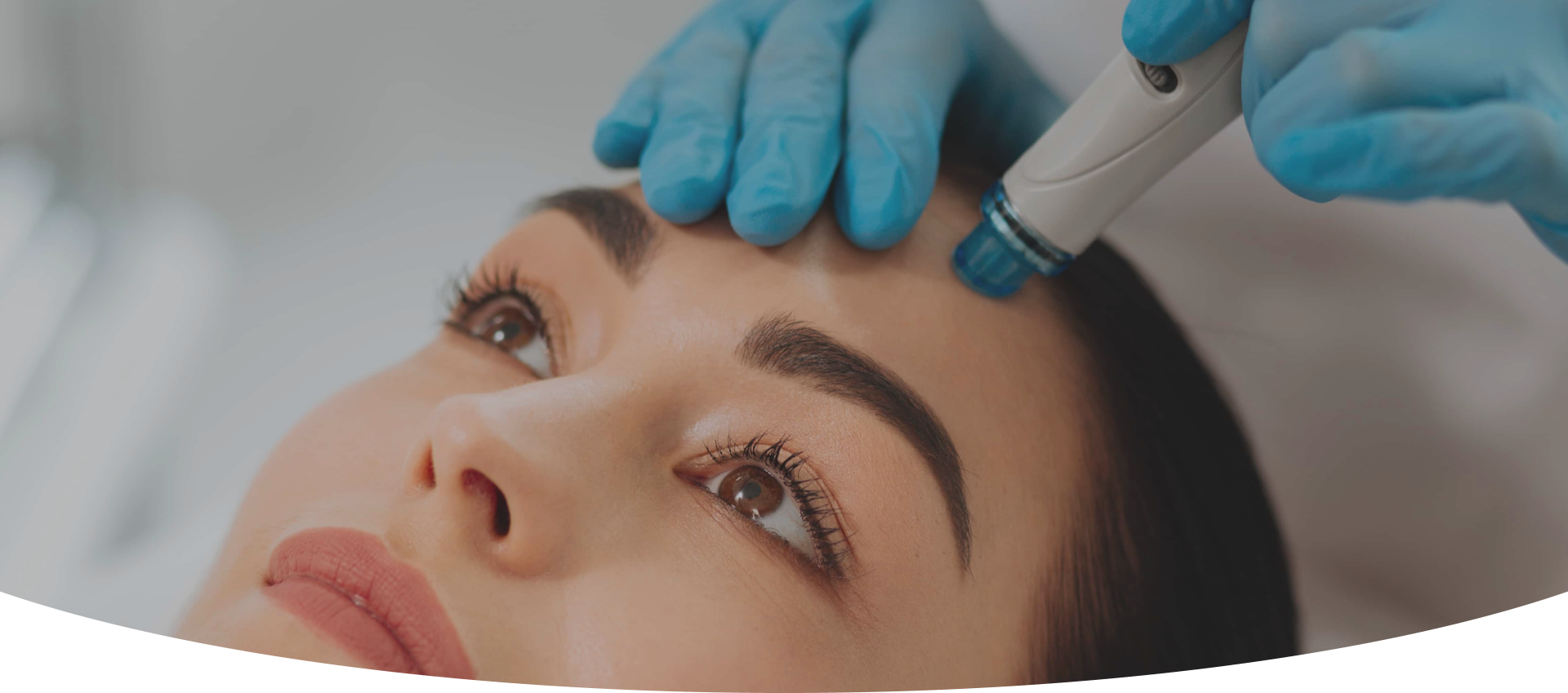
However, despite an appropriate skincare routine, some people find that their hydration remains insufficient. In these cases, professional treatments at a medical-aesthetic clinic can provide deeper hydration.
Topical products applied at home mainly work on the surface of the epidermis. In-clinic treatments, on the other hand, can act deeper in the skin.
Some treatments directly target the dermis, where the structures responsible for hydration, such as hyaluronic acid, are found.
The Beauty Booster treatment consists of micro-injections of non-cross-linked hyaluronic acid directly into the dermis.
This technique deeply hydrates the skin while improving texture and radiance.
The protocol may include several initial sessions, followed by maintenance treatments based on the assessment carried out during the consultation.
This treatment is often recommended for people with tired, dull or chronically dehydrated skin.
The Skinbooster treatment (e.g. SkinVive) also uses hyaluronic acid, but in a specific formulation designed to improve overall skin quality.
Tiny micro-droplets of hyaluronic acid are injected into the superficial layers of the dermis to optimize hydration and radiance.
This treatment can help smooth dehydration lines and improve skin texture.
The OxyGeneo treatment is a non-injectable option that combines several actions in a single treatment.
It includes:
This treatment aims to improve radiance while promoting better skin hydration.
The choice of treatment depends on skin type and level of dehydration.
Chronically dry skin can benefit from hyaluronic acid injectable treatments, such as Skinboosters, which help restore hydration in the dermis.
For occasionally dehydrated skin, a hydrating facial such as OxyGeneo may be recommended to improve radiance and skin comfort.
In some cases, professionals may suggest a combination of treatments, for example a facial combined with an injectable treatment.
A personalized consultation helps assess skin quality and determine the most suitable protocol.
You can also visit the before and after page to see various results of treatments performed at the clinic.
Quebec winters put significant strain on the skin.
Indoors, heating can bring air humidity below 30%, whereas skin generally does better in an environment with 40% to 60% humidity.
When the air is too dry, water evaporates more easily from the surface of the skin, which increases transepidermal water loss.
Frequent transitions between cold outdoor air and heated environments also force the skin to adapt constantly.
After several months of winter, this repeated exposure can weaken the skin barrier and accentuate signs of dehydration.
Some strategies can help limit these effects: