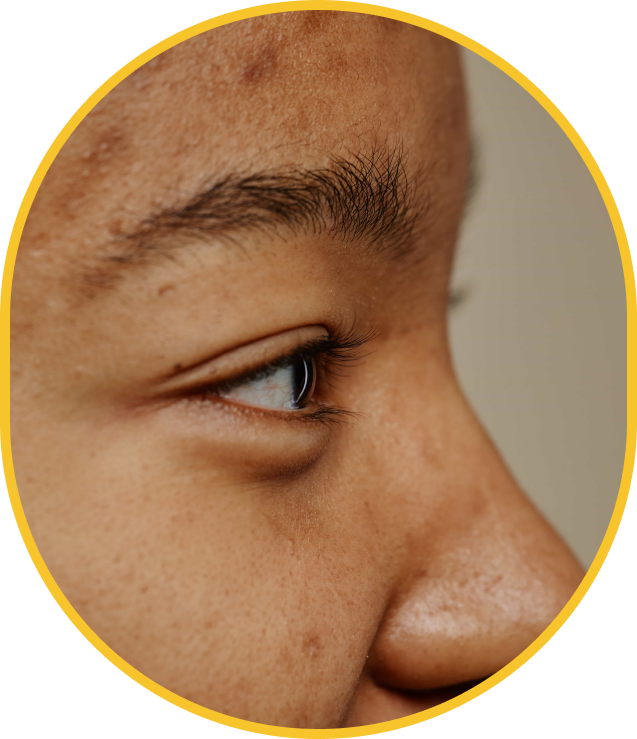

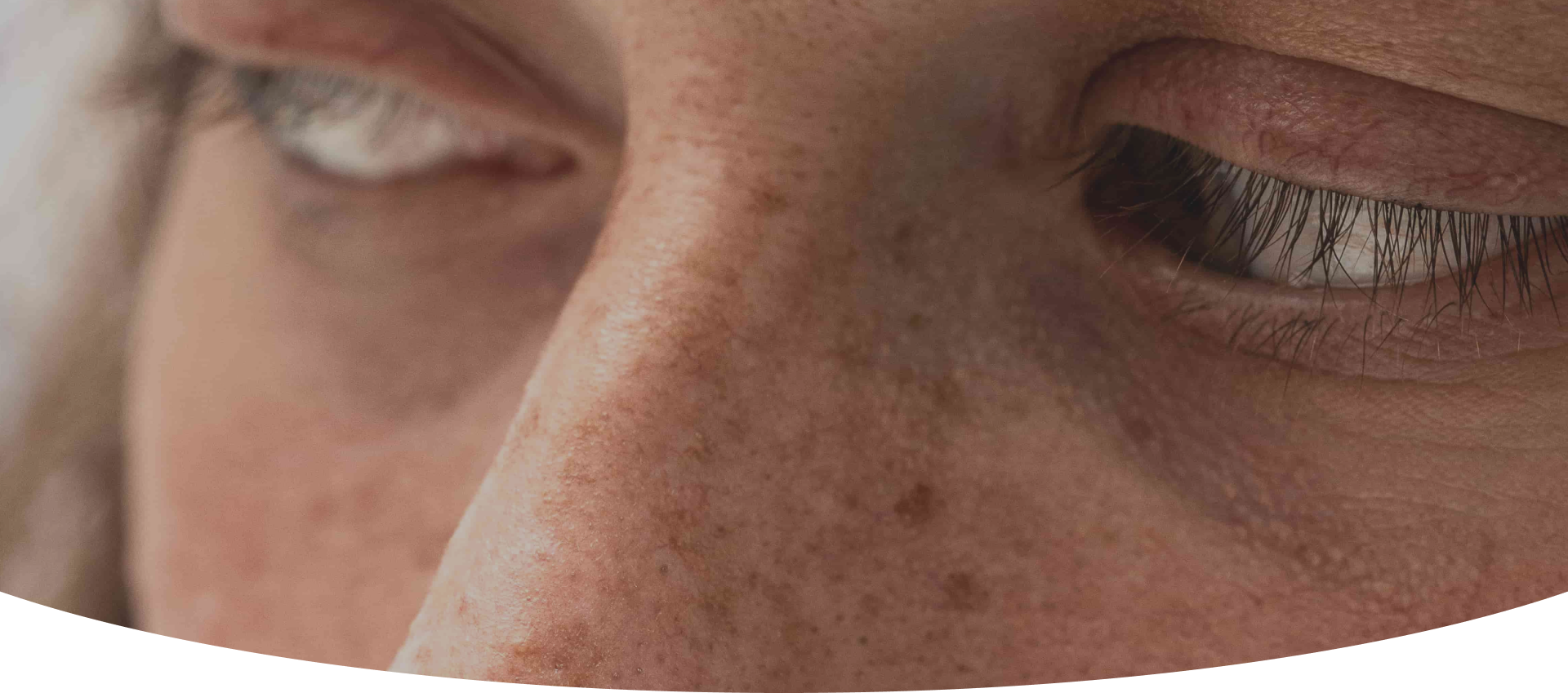
A pigment spot on the face is an area of hyperpigmentation caused by a dysfunction of the melanocytes, the cells responsible for producing melanin. Cumulative sun exposure is the main factor. Hormonal changes related to pregnancy or contraception, skin aging, certain photosensitizing medications and post-acne inflammation round out the common causes. Most brown spots are benign, but an assessment by a professional confirms their nature and guides the choice of treatment.

Not all brown spots are the same. Solar lentigo, round and well defined, appears on the face, hands and décolletage after years of UV exposure. Melasma, also called the mask of pregnancy, appears as symmetrical patches on the forehead, cheeks and upper lip, often linked to hormonal factors. Post-inflammatory hyperpigmentation occurs after an acne scar or skin injury. Freckles, which are genetic in origin, darken in the sun without requiring clinical treatment.
Several dermatological actives have proven effective against superficial pigment spots. Vitamin C slows melanogenesis. Niacinamide reduces the transfer of melanin to skin cells. Glycolic acid provides controlled exfoliation, while retinol speeds up cell renewal. For more pronounced cases, a brown spot cream for the face containing hydroquinone or Kligman’s trio may be prescribed by a professional, in courses limited to a maximum of eight weeks, twice a year.
A chemical “peel” relies on controlled exfoliation that removes the hyperpigmented layers. Superficial “peels” (glycolic acid, salicylic acid) are suited to light spots, and medium TCA “peels” to deeper pigmentation. A typical protocol includes four to six sessions spaced two weeks apart. Intense pulsed light (IPL) targets the melanin in solar lentigines, often in one to two sessions. A pigment laser reaches pigments deep down. The choice between these technologies depends on the phototype and the type of spot diagnosed.
An isolated solar lentigo generally responds well to one or two sessions of IPL or pigment laser. Melasma requires a combined approach of strict sun protection, topical actives and a gentle “peel”. A high-energy laser is often contraindicated in this case. Post-inflammatory hyperpigmentation benefits from a gradual protocol combining targeted topicals and a light “peel”. For darker skin, gradual approaches are preferred to minimize the risk of pigment reaction. A professional assessment remains essential to determine the final protocol.
Clinique Main d'Or, a medical-aesthetic clinic in Montreal, offers a personalized approach to treating brown spots on the face. Each journey begins with a complete assessment carried out by a professional to identify the exact type of spot and its depth. Available treatments include IPL photorejuvenation, the Cool Peel laser and chemical “peels”. Details of these treatments are presented on the page dedicated to brown spots on the face. Mirna Saadé, a nurse practitioner since 1987 and a member of the OIIQ, oversees the protocols tailored to each patient.
Daily SPF 50+ sun protection is the non-negotiable condition for maintaining results, all year round, even on cloudy days. Avoiding direct exposure between 10 a.m. and 4 p.m. considerably reduces the risk of recurrence. Maintaining a routine that includes vitamin C and niacinamide extends the benefits of the clinical treatment. Melasma has a particularly high risk of recurrence without rigorous sun protection. A follow-up consultation at Clinique Main d'Or makes it possible to adjust your care over time.