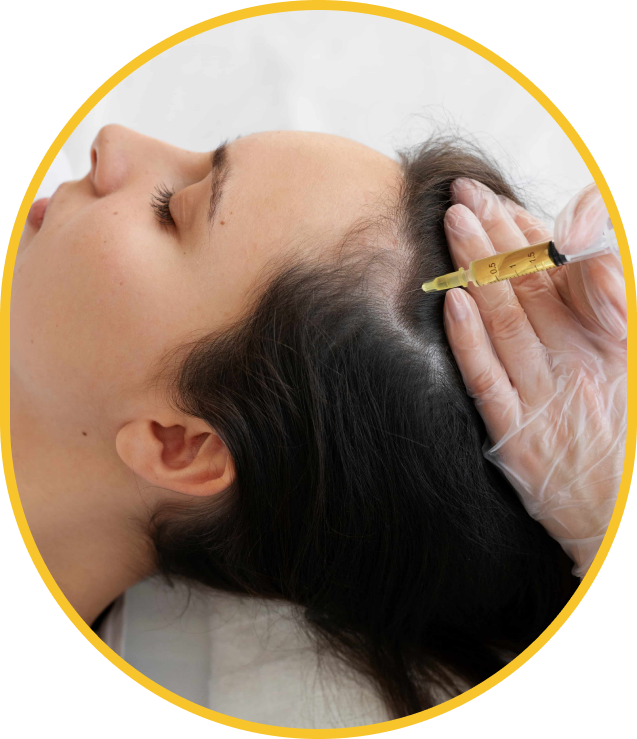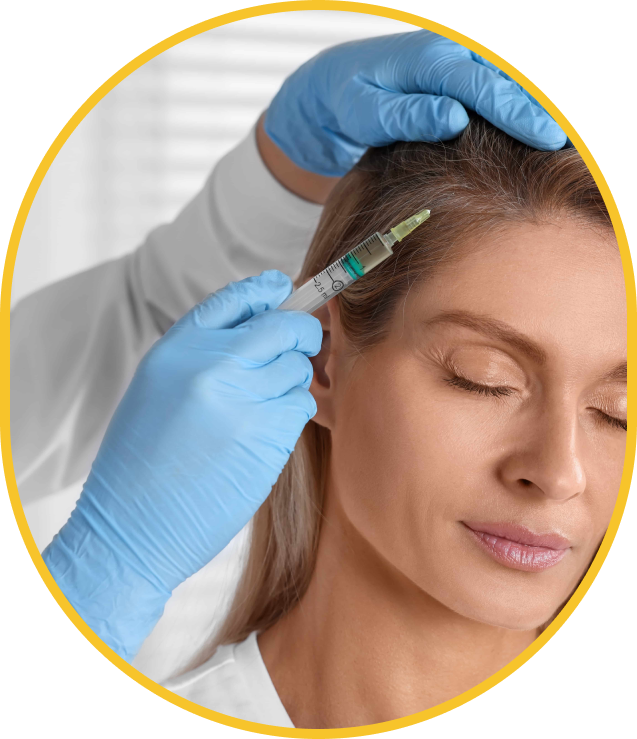

Platelet-rich plasma is an autologous preparation obtained from your own blood. After a blood draw, the sample goes through a centrifugation step that concentrates the platelets. This concentrate is then reinjected into the scalp, as close as possible to the hair follicles, under the supervision of the clinic’s professionals. This natural origin explains the appeal of hair PRP in Montreal.

The session begins with the blood draw and preparation of the plasma. Our professionals then inject it into the scalp, in the targeted areas. The growth factors released promote cellular activation around the follicles. The session generally lasts thirty to sixty minutes depending on the area treated. Supervision by the clinic’s professionals ensures a precise, tailored procedure.

PRP treatment for hair aims to slow hair loss and support regrowth. By stimulating the hair follicles, it can help improve hair density over the sessions. Its natural, autologous nature makes it a popular option, since it relies on your own body’s resources. The personalized approach of the clinic’s professionals allows the protocol to be adjusted to your goals.
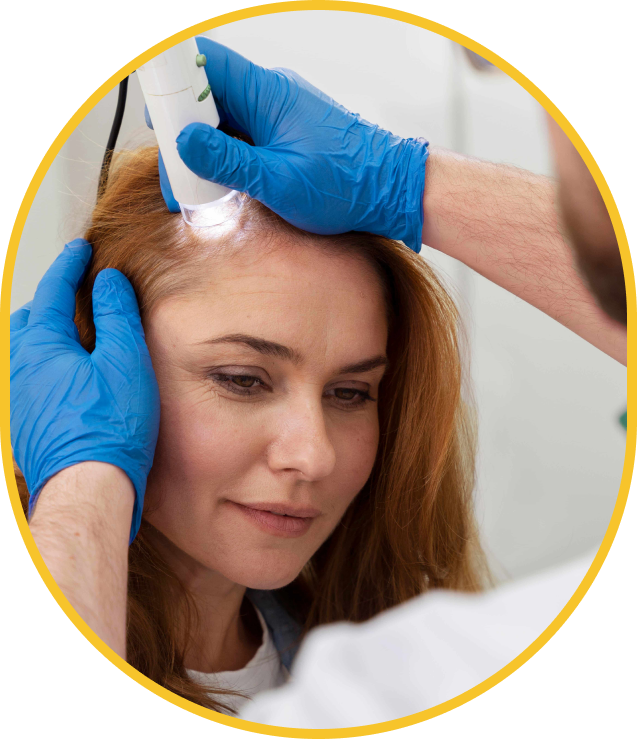
The treatment is suitable for both men and women experiencing hair loss. It is particularly suited to people with androgenetic alopecia, thinning hair or diffuse hair loss. Every situation is different, which is why an individual assessment during a consultation is essential. This prior medical consultation confirms whether PRP is appropriate for your hair loss and rules out other possible causes.
Hair PRP in Montreal follows a protocol established over several sessions. Results appear gradually, which is why regularity matters. Sessions are generally spaced a few weeks apart during the initial phase, after which maintenance follow-up is offered. This individualized protocol, defined by the clinic’s professionals, takes into account your type of hair loss and your response.
One of the advantages of PRP is that there is no long recovery period, allowing a quick return to daily activities. After the injection, some people feel slight tenderness or notice faint redness on the scalp, which fades quickly. Our professionals provide suitable care tips, based on clinical follow-up, to maintain scalp comfort after the session.
Androgenetic alopecia is the most common form of hair loss. PRP works by stimulating dormant follicles, those whose production has weakened without stopping. This makes it relevant for supporting gradual hair loss. Thanks to their expertise in scalp assessment, our professionals can consider combining it with treatment for hair loss and lack of hair vitality, based on your personalized assessment.