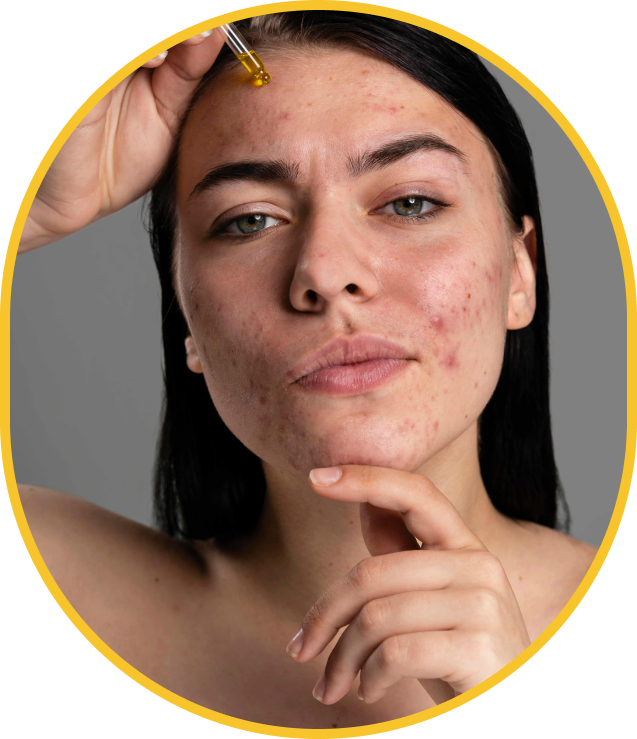

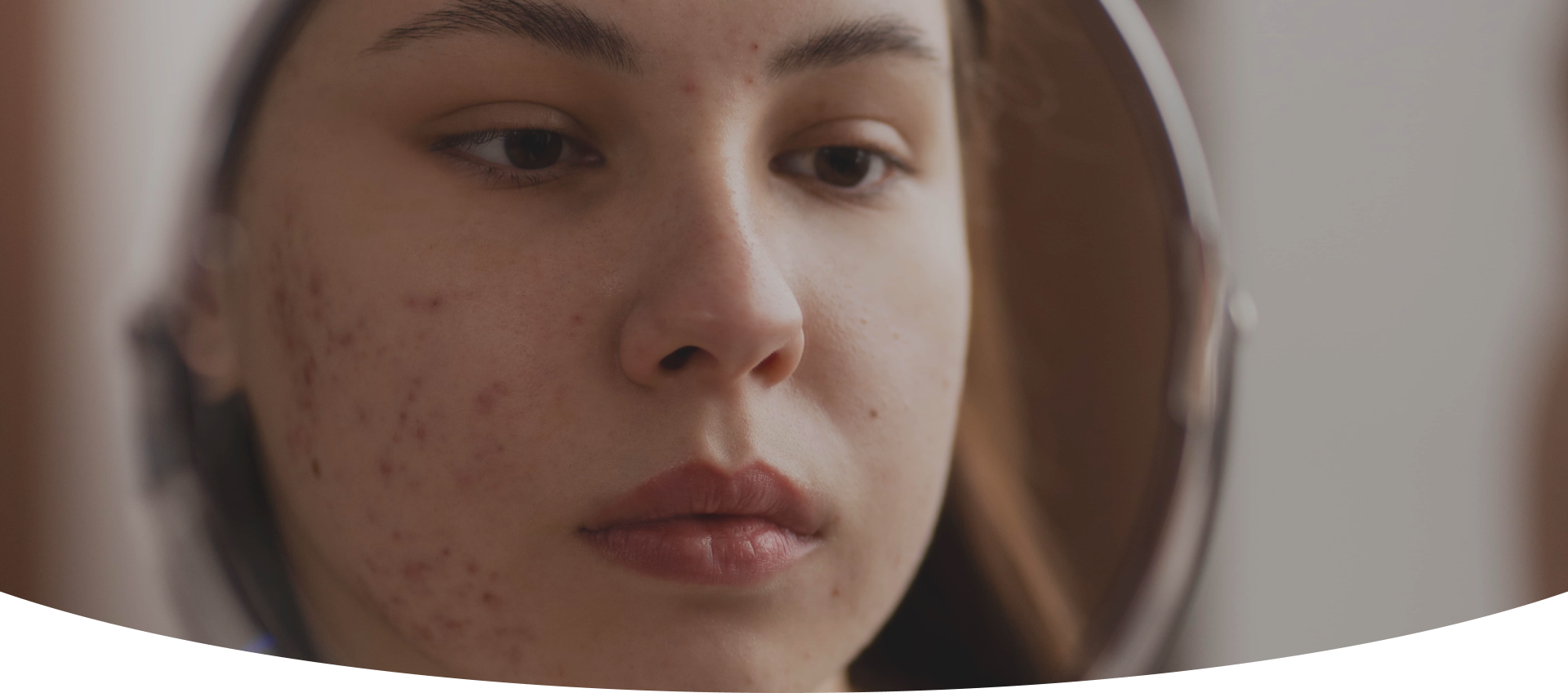
Adult acne mainly affects women aged 25 to 50 and differs from teenage acne in its triggers. Hormonal fluctuations related to the menstrual cycle, stress or certain medications stimulate excessive sebum production. This sebum clogs hair follicles and promotes the formation of comedones, papules and cystic acne. Unlike teenage acne, drugstore products alone cannot correct a hormonal cause. A professional assessment is essential to identify the cause and establish a targeted protocol.

Clinique Main d'Or offers three complementary treatment modalities for adult acne, at different stages. The chemical “peel” decongests pores and fades post-inflammatory marks using salicylic acid. LED light therapy, through photobiomodulation, reduces inflammation and targets acne-causing bacteria. “Microneedling” stimulates collagen remodeling to improve skin texture and reduce scarring. No modality is prescribed on its own. Each protocol is personalized during the initial consultation by qualified professionals.
The chemical “peel” works through controlled exfoliation that stimulates cell renewal and decongests enlarged pores. It effectively targets comedones, papules and pustules, while reducing the post-inflammatory marks common with adult acne. A complete protocol generally includes several sessions spaced three to four weeks apart. Results improve gradually. Skin preparation and rigorous high-SPF sun protection are an integral part of the follow-up between sessions.
LED light therapy uses specific wavelengths to act directly on acne bacteria at the follicular level without damaging surrounding tissue. Blue light suppresses Cutibacterium acnes, while red light reduces inflammation and promotes healing after a breakout. No heat, no downtime. This treatment is particularly suited to sensitive skin and adult patients with co-occurring rosacea who cannot tolerate intensive exfoliating protocols. Results are cumulative over several sessions and combine effectively with other protocols.
“Microneedling” creates controlled micro-perforations that trigger the skin’s natural repair response, stimulating collagen and elastin synthesis. It is particularly indicated for atrophic scars and is one of the most effective acne scar treatments for enlarged pores and uneven texture. Active acne must be stabilized before starting scar treatment. Multivitamin serums applied during the session optimize cell regeneration. Four to six sessions, spaced four to six weeks apart, are generally needed to achieve gradual, lasting results.
The consultation begins with a personalized skin analysis to determine the type, severity and contributing factors of the acne. The professional reviews your current skincare routine and identifies incompatible products. A protocol is then proposed, generally combining several modalities over several sessions. At-home care recommendations complete the plan. Follow-up is planned from the first consultation. No commitment is required beyond the initial care. Appointments can be booked online.
A visible improvement generally appears after two to three sessions. Complete correction of texture and pigmentation requires four to six sessions, depending on severity. Redness or slight peeling may occur after a chemical “peel”: this is a normal stage of skin renewal. Daily application of a high-SPF sunscreen is mandatory to prevent post-inflammatory hyperpigmentation. Stress management, hydration and an appropriate routine support the effectiveness of the treatments. Maintenance sessions every three to six months help maintain the results.