

Coverage for Botox injections to treat bruxism in Quebec is an important budget consideration. At Clinique Main d'Or, a medical aesthetics clinic, we keep things clear: coverage depends on whether the treatment is deemed therapeutic or cosmetic, as well as your specific insurer. To better understand teeth grinding, read on.
The short answer: public coverage generally remains limited. When reimbursement is possible, it most often comes from private insurance or a dental plan, and always under certain conditions. Botulinum toxin (e.g., Botox, Dysport, or others) used for bruxism is not treated uniformly from one contract to another. Results vary depending on the plan and how the treatment is classified. Therefore, no reimbursement can be guaranteed in advance.
When injections target symptoms such as grinding, tension, and jaw pain, the goal is therapeutic. Presented as jaw slimming, the procedure is instead viewed as an aesthetic end. Insurers place great importance on this distinction. A documented therapeutic indication, based on symptoms affecting the masseter muscles, generally strengthens a claim. However, no specific classification can be promised in advance, as each situation is evaluated on a case-by-case basis.
Generally speaking, the public plan does not cover injectables for aesthetic purposes. Botulinum toxin injections for bruxism are usually considered not covered by standard public coverage. Rather than assuming, confirm the current rules directly with the RAMQ and your prescriber. A prescription and a precise clinical file often clarify the situation. We do not provide any amounts or codes here, as these elements are determined by official sources and your specific situation.
It is often through private insurance and dental plans that reimbursement becomes realistic. Some contracts may reimburse a portion of a botulinum toxin injection for bruxism if it is deemed medically justified, but the terms vary significantly. A prescription or documented diagnosis often helps under the paramedical care section. Other plans exclude injectables entirely. Read the exclusion clauses as well as the paramedical and dental sections of your contract carefully before any session.
Before booking, a quick check will save you from surprises. Ask your insurer these questions:
These answers clarify what will actually be covered and what will remain your responsibility.
The process follows a simple sequence. Start by obtaining a detailed receipt mentioning the treatment received. Then, gather any prescription or diagnostic proof supporting the therapeutic indication. Fill out your insurer's claim form, then keep copies of every document. Reimbursement may be partial, and processing times vary. Pre-authorization requested before the session often clarifies what will be accepted, without setting a specific percentage in advance.
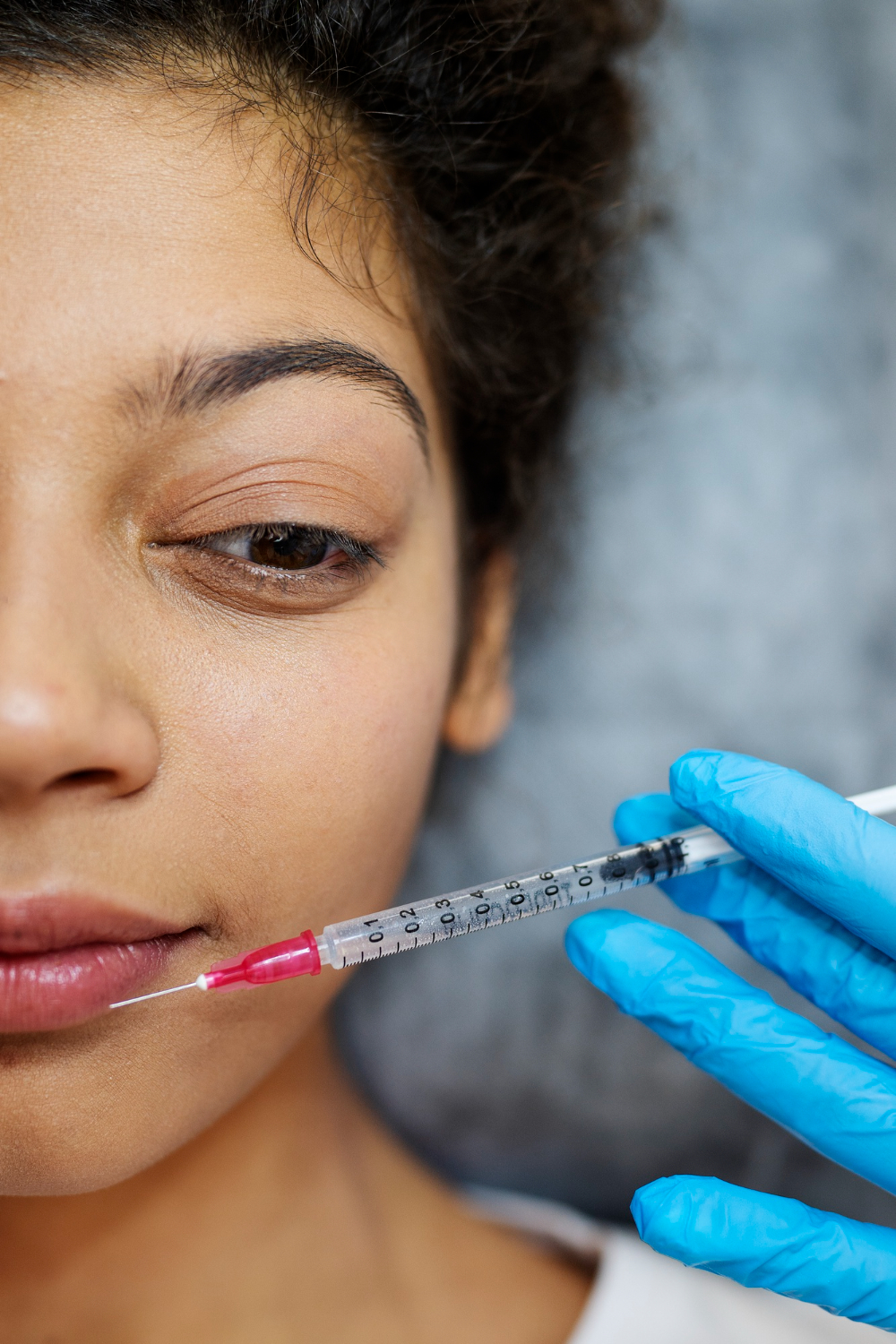
The cost primarily depends on the number of units required to relax the masseter muscles, which varies from person to person. At Clinique Main d'Or, botulinum toxin is priced between $9 and $11 per unit: view our transparent pricing to help plan your budget in Montreal. The total cost per session will therefore depend on your personal assessment. Keep in mind that this out-of-pocket expense is separate from any reimbursement you may later receive from your insurer.
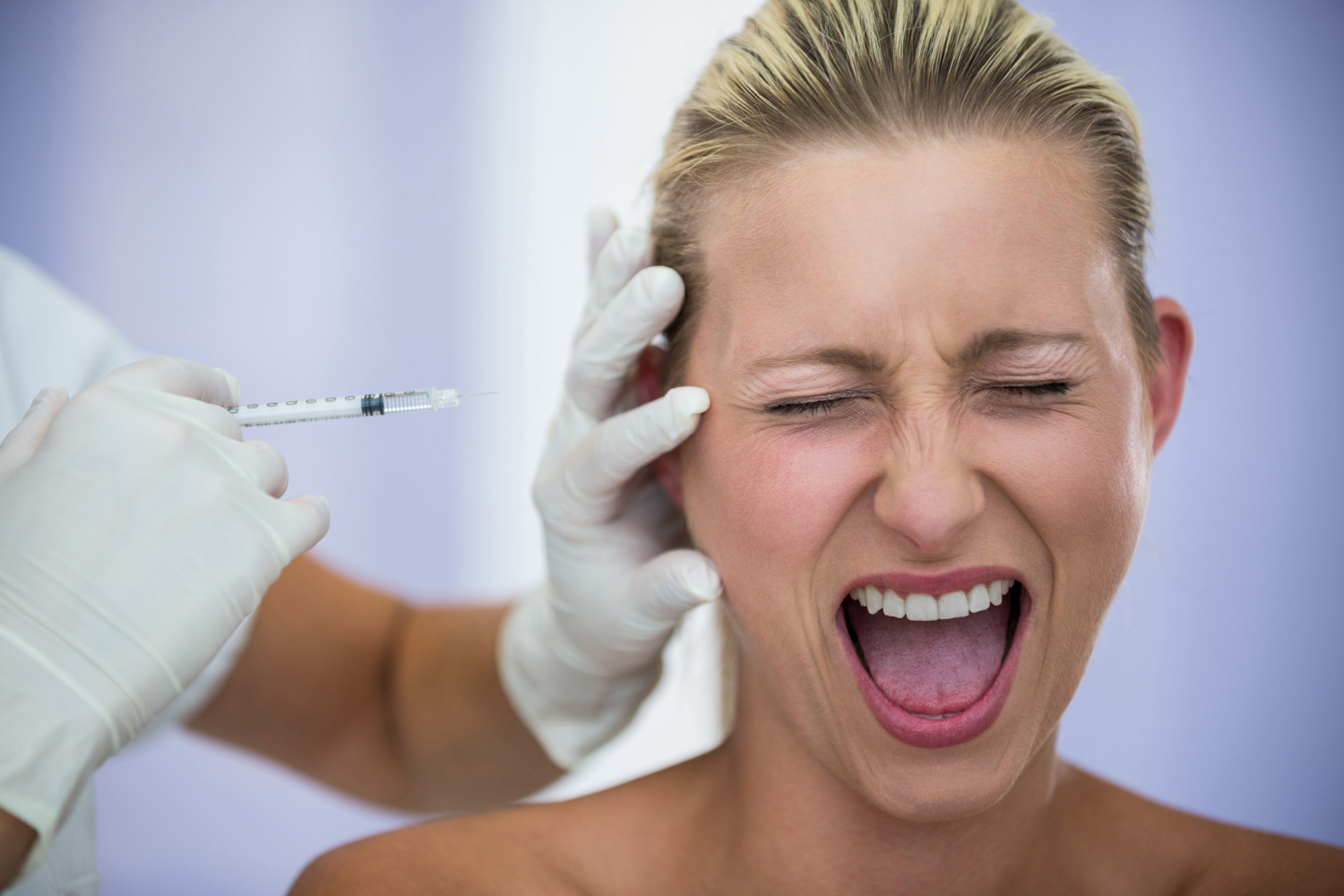
The masseter is the powerful muscle responsible for closing the jaw. With bruxism, these muscles contract excessively, leading to clenching and tension. The injection targets this muscle to induce partial relaxation, reducing contraction force and relieving the jaw. Botulinum toxin injections provide temporary relief, which is why regular sessions are necessary. To learn more about how it works, consult our guide on the causes, symptoms, and treatment of bruxism with botulinum toxin. They manage symptoms, but do not cure the underlying grinding habit itself.
Certain signs warrant a consultation: persistent jaw pain, visible tooth wear, morning headaches, or audible grinding at night. These symptoms deserve attention. Botulinum toxin injections are just one option among several, to be considered following an assessment by the clinic's professionals. To learn more, read our article on the causes, symptoms, and treatments of bruxism. This step ensures you choose the approach best suited to your specific situation.
The occlusal splint is a common alternative for bruxism. It protects teeth from wear caused by grinding and clenching. Since it falls under dental care, it is more often covered by dental plans than by injectable plans. However, it manages the problem differently: it protects the teeth without relaxing the muscle. Both approaches can even complement each other. This is a market reference, as our field remains botulinum toxin.
Clinique Main d’Or, a medical-aesthetic clinic located in Saint-Laurent (Montreal), offers botulinum toxin for bruxism following an evaluation during a personalized consultation conducted by its professionals. Its founder, Mirna Saadé, has been a nurse since 1987, is a member of the OIIQ, and has over 37 years of experience. To explore bruxism treatment at the clinic, you can book an appointment for an evaluation tailored to your needs and situation.
In summary, reimbursement for Botox injections for bruxism in Quebec remains conditional. It is rarely public and sometimes partial, through a private plan or a dental plan, when the treatment is documented for therapeutic purposes. The classification and your contract make the difference. Check your coverage with your insurer and seek a professional evaluation before making your decision. This caution helps you estimate your actual budget and make an informed choice.
With the emergence of non-surgical aesthetic treatments, Clinique Main d'Or was founded by Mirna Saadé, a clinical nurse, with the mission of offering injectable aesthetic treatments and skin care where safety and effectiveness are the priorities.


