

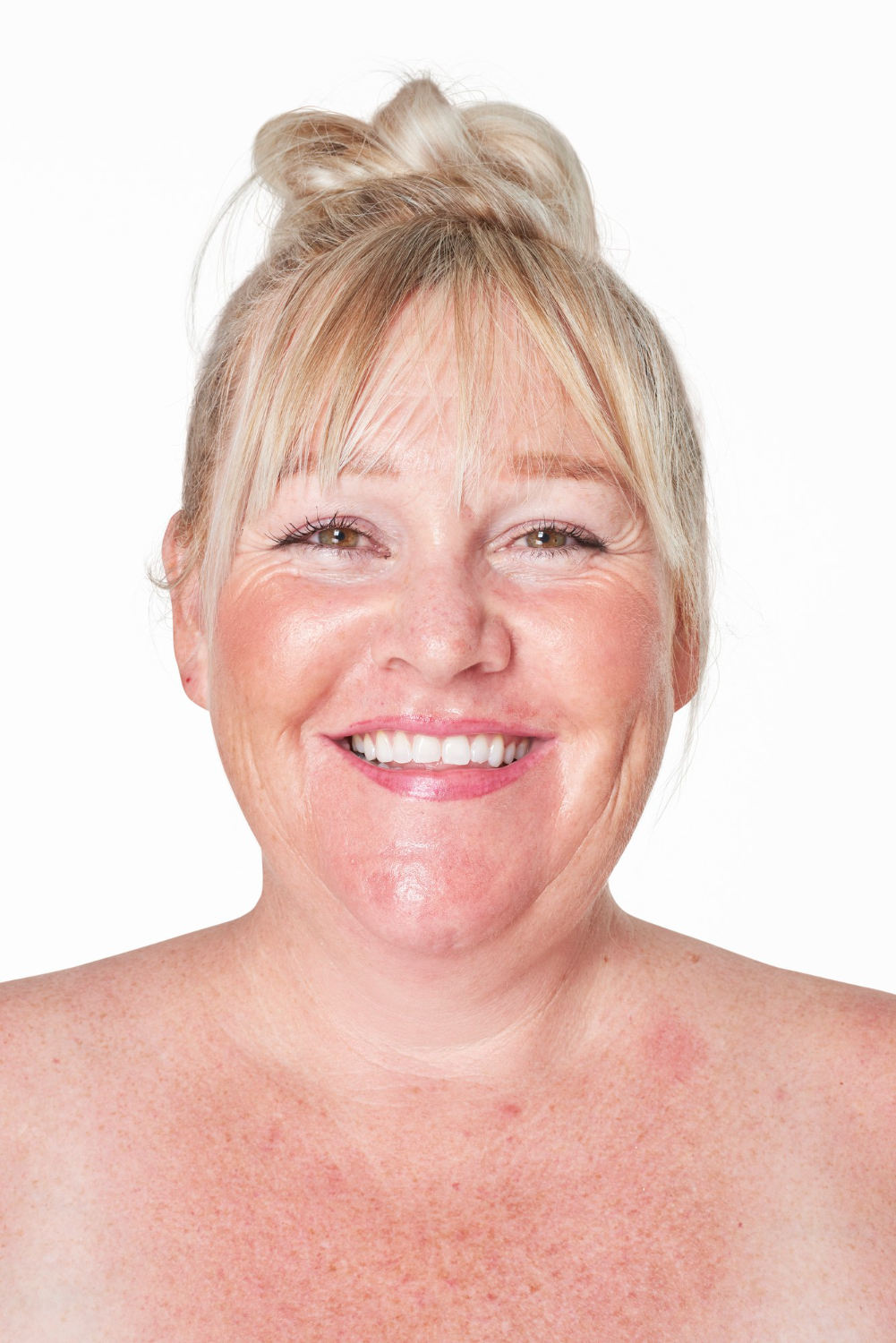

Choosing a cream for rosacea can quickly become overwhelming when redness, stinging, and dryness flare up all at once. At Clinique Main d'Or, a medical aesthetics clinic in Montreal, we take a different approach: the right treatment depends on your specific symptoms and a simple, consistent routine. To learn the basics, discover the importance of skincare
Rosacea is a chronic, inflammatory skin condition that flares up on reactive skin. Couperose, on the other hand, refers to dilated and visible blood vessels, often present as part of rosacea.
This distinction matters when choosing a cream: soothing chronic inflammation requires a different approach than managing vascular redness. Only a healthcare professional can provide an accurate diagnosis and guide you toward the right approach.
Before buying a cream, identify your skin type. There are generally four presentations: diffuse and persistent redness, papulopustular form with papules and pustules, marked sensitivity with tingling and hot flashes, and ocular rosacea affecting the eyes.
These symptoms guide your choice: soothing, skin barrier repairing, or acne-targeted. Self-identification is a useful starting point, but it is not a diagnosis. For a pustular form, a professional evaluation is recommended.
A cream for rosacea should be chosen based on what bothers you the most. For diffuse redness, opt for a soothing treatment that also repairs the skin barrier.
For inflammatory breakouts, prioritize non-comedogenic formulas and targeted active ingredients, ideally with professional advice. In case of dryness and tightness, opt for richer, fragrance-free hydration. This simple, symptom-by-symptom logic avoids piling unnecessary products onto already fragile skin.
On a fragile barrier, certain ingredients can trigger flare-ups. Avoid fragrance, drying denatured alcohol, essential oils, and menthol or camphor, which irritate reactive skin.
Also, be wary of abrasive scrubs, poorly dosed AHAs/BHAs, strong retinoids, and vitamin C in acidic form. Water that is too hot and harsh cleansers act as secondary triggers. A good rosacea cream is often defined by what it leaves out.
Regarding soothing ingredients for redness, azelaic acid and niacinamide, in reasonable doses, help reduce redness and uneven skin tone while remaining well-tolerated.
To rebuild the barrier, look for ceramides, cholesterol, and fatty acids. For comfort and tolerance, panthenol, allantoin, oat, Centella asiatica, and licorice are wise choices. In general, short INCI lists limit the risk of irritation on sensitive skin.
A moisturizer for rosacea-prone skin should be fragrance-free, hypoallergenic, non-comedogenic, and have a comfortable texture that is neither too heavy nor too thin.
The ideal formula combines humectants, which draw in moisture, with barrier-repairing ingredients like ceramides—delivering a soothing, deeply hydrating effect without weighing down the skin. To see how these products fit into a comprehensive approach, explore our skincare treatments and what to look for when caring for sensitive skin.
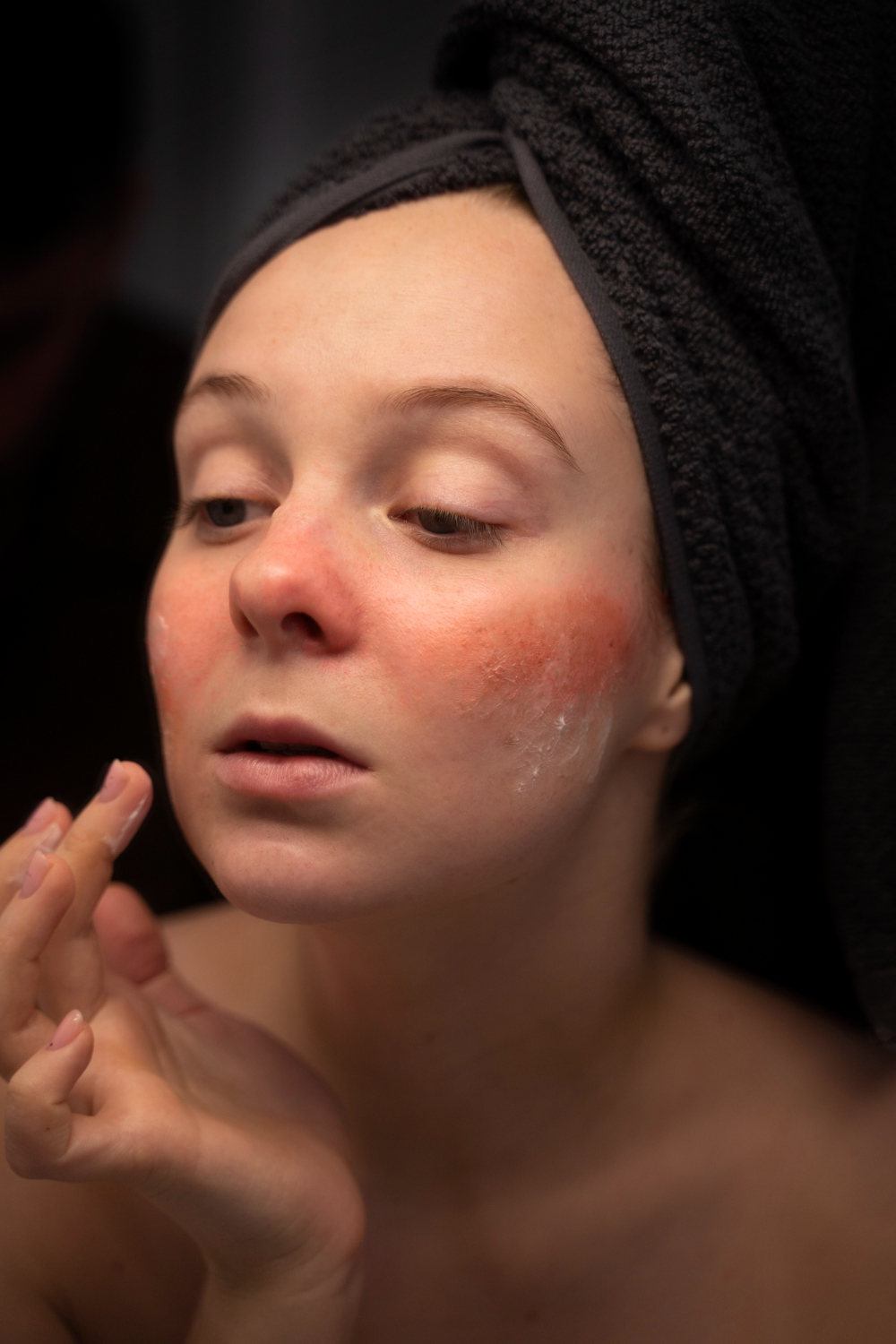
An effective rosacea skincare routine follows the "less is more" principle. In the morning: gentle cleansing, a soothing active ingredient, hydration, and then sunscreen.
In the evening: cleanse without stripping the skin and focus on repair rather than correction with a restorative treatment. A soothing serum can be applied before the moisturizer if the skin tolerates it. Introduce changes one at a time to identify what truly helps and what triggers a reaction.
UV rays are among the primary triggers for redness and flare-ups, making sun protection essential for sensitive skin.
Opt for mineral filters, especially zinc oxide, which are often better tolerated. Aim for an SPF of 50 and reapply throughout the day, especially during prolonged exposure. This remains a daily step, even during Quebec winters. Choose a comfortable, fragrance-free texture so that your skin tolerates it well on a daily basis.
The climate shapes your skin's needs. The Quebec winter, with its cold, wind, and heated air, dries out the skin barrier: a richer cream or a protective balm becomes relevant.
Summer calls for lighter textures and enhanced sun protection. Temperature swings and shifts in humidity can easily trigger rosacea flare-ups, so it is essential to adapt your skincare routine throughout the year. For tailored care in your area, explore our facial treatments in Montreal.
Knowing how to read a label changes everything. The INCI list presents ingredients in descending order of concentration: an irritant at the top of the list carries more weight.
Look for mentions of "parfum" or "fragrance," "alcohol denat.," and essential oils placed high on the list. Also, decode claims: "hypoallergenic," "non-comedogenic," or "tested on sensitive skin" provide guidance without guaranteeing everything. A short, clear list is often a better sign than an enticing marketing promise.
When redness persists despite an adapted routine, a professional assessment can provide clarity. At Clinique Main d'Or, a medical-aesthetic clinic in Montreal, our professionals evaluate your skin type during a personalized consultation.
Our founder, Mirna Saadé, has been a clinical nurse since 1987 and is a member of the OIIQ. To learn more about treating facial redness, you can book an appointment for a personalized consultation.
To summarize, a good rosacea cream respects the skin barrier, avoids irritants, and is part of a simple, consistent routine. The choice depends on your symptoms: redness, bumps, or dryness.
Combine this choice with a gentle morning and evening routine and daily sun protection. With these clear guidelines, you can choose your skincare with confidence and adjust it over time, without getting lost in packaging promises.
With the emergence of non-surgical aesthetic treatments, Clinique Main d'Or was founded by Mirna Saadé, a clinical nurse, with the mission of offering injectable aesthetic treatments and skin care where safety and effectiveness are the priorities.


