


It’s common to hesitate between microblading and microshading when looking to reshape your eyebrows. At Clinique Main d'Or, a medical aesthetics clinic in Saint-Laurent (Montreal), we are often asked this question. This article breaks down the techniques, results, ideal skin types, longevity, and how to choose, while inviting you to discover permanent eyebrow makeup.
Microblading and microshading belong to the same family: semi-permanent eyebrow makeup. Both are forms of cosmetic tattooing (micropigmentation), which involves depositing pigments into the upper layers of the skin to reshape and fill in the eyebrows.
Unlike a permanent tattoo, these techniques are semi-permanent. The pigments fade gradually over time, which allows for adjustments to the shape and intensity during touch-up sessions.
Microblading involves drawing fine, individual strokes to mimic the texture of real hair. The result is a natural, defined, hair-like effect, which is particularly popular for filling in sparse areas or thinning eyebrows.
This technique is performed using a manual blade, not a machine. The professional draws each stroke by hand, following the natural direction of hair growth for a subtle look that blends in with existing hair.
Eyebrow microshading creates a soft shading effect, built from tiny dots of pigment deposited in successive touches. This results in a powdered eyebrow effect that is more diffused and denser than a series of strokes.
The result resembles powdered makeup, applied lightly, like eyebrow powder. This technique is often performed with a machine, which allows for a smooth gradient and uniform powdered makeup effect across the entire length of the eyebrow.
The difference between microblading and microshading lies in the final result: fine strokes that mimic hair versus powdered shading that evokes a makeup effect. Choosing between microblading and microshading therefore comes down to defining the look you want.
On oily skin or skin with enlarged pores, the fine strokes of microblading tend to fade and become blurry. In this case, microshading often holds up better, as the shading is more forgiving of texture variations.
Microshading is also ideal for sensitive skin and thin eyebrows in need of more density. Microblading remains an excellent option for filling in sparse eyebrows while maintaining a very natural look.
Both techniques offer a semi-permanent result that fades over several months. A touch-up is generally necessary to consolidate the longevity and revive the pigments once healing is complete.
Microshading often ages more gracefully than fine strokes, which can lose their sharpness over time. The duration of microblading varies depending on skin type, sun exposure, and post-procedure care. Having realistic expectations helps avoid disappointment.
Discomfort is generally mild and managed with a topical anesthetic applied before the session. The sensations differ slightly between the two methods, but most people tolerate the treatment well.
Healing follows a normal progression: slight redness, followed by superficial "scabs" that must not be picked under any circumstances. Following these instructions protects the result and limits sensitivity. Every skin reacts at its own pace during this phase.
The price of microblading and microshading depends on the technique, the region, and the practitioner's expertise. It is better to think in terms of value rather than cost alone.
Prioritize qualified professionals working in a hygienic environment within a reputable medical-aesthetic clinic. Examine a portfolio of before-and-after photos rather than choosing based solely on price. The consistency of the results presented speaks volumes about their skill.
Some eyebrows benefit from combining both approaches: fine strokes at the front, where natural density remains visible, and a powdery effect toward the tail of the brow to structure the shape.
This combination technique, sometimes called "combo brows," pairs strokes and shading for a personalized look. It is well-suited for those torn between the two methods. The exact balance for a custom result is decided during the consultation, based on your facial structure and expectations.
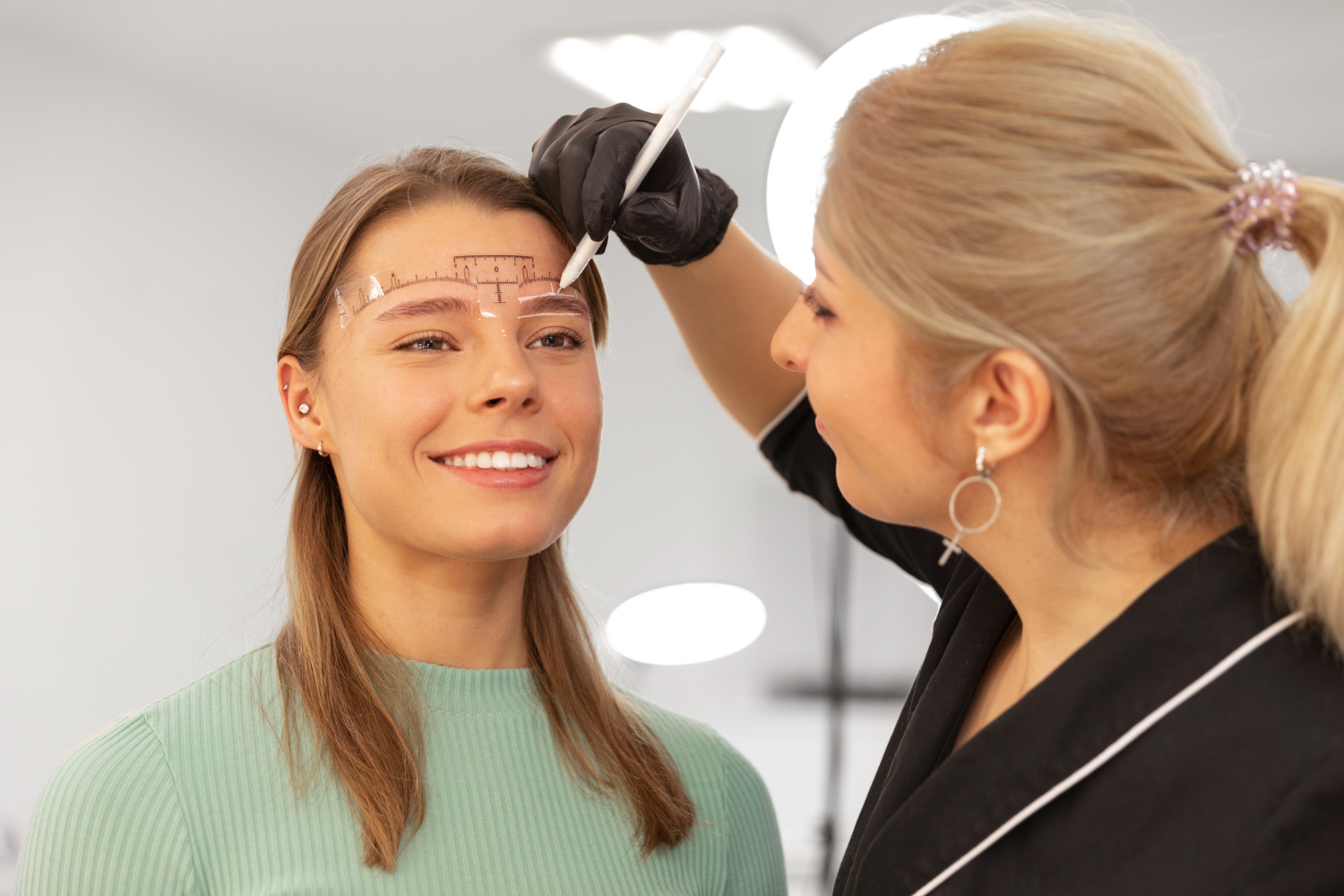
A session begins with a consultation: a discussion about your expectations and an assessment of your brow shape and skin. Next comes brow mapping, a symmetry tracing that outlines the ideal line.
The choice of pigment is adapted to your skin tone and facial hair. Then, the professional performs the pigmentation pass. A touch-up, scheduled after healing, completes the work. This personalized assessment always precedes the application of the pigment.
Clinique Main d'Or, a medical aesthetics clinic in Saint-Laurent (Montreal), offers professional micropigmentation and semi-permanent eyebrow makeup.
During a personalized consultation, the team assesses your brow shape and skin type to determine the technique and design best suited to your goals. This tailored approach aims for a harmonious result that is consistent with your features and your daily life in Montreal.
Choosing between microblading and microshading comes down to the desired look: fine strokes for a hair-by-hair effect, or shading for a powdery effect. Your skin type and the condition of your brows also influence the decision.
In any case, a consultation with qualified professionals allows for an evaluation of your brows and skin, ensuring a natural and long-lasting result tailored to your actual expectations.
With the emergence of non-surgical aesthetic treatments, Clinique Main d'Or was founded by Mirna Saadé, a clinical nurse, with the mission of offering injectable aesthetic treatments and skin care where safety and effectiveness are the priorities.


