

.png)
.svg)
Botulinum toxin injections into the masseter muscles have become one of the most requested treatments at Montreal medical aesthetics clinics, both for bruxism relief and jaw slimming. Whether you clench your jaw during the day, grind your teeth at night, or have noticed your lower face becoming squarer over time, this treatment addresses the underlying muscular tension. At Clinique Main d'Or, professionals evaluate each client's profile before recommending an injection protocol. This article explains how masseter botox works, what results to expect, and whether it is right for you.
Bruxism is the involuntary grinding or clenching of teeth, most commonly during sleep and often without the person's awareness. It affects an estimated 8 to 31% of adults and is strongly associated with stress, anxiety, and disrupted sleep patterns. The consequences range from tooth wear and jaw pain to chronic headaches, ear pressure, and temporomandibular joint (TMJ) dysfunction. The masseter, the large jaw muscle responsible for chewing force, is the primary driver of the excessive pressure produced during bruxism. When the masseter becomes chronically overactive from repeated clenching or grinding, it can visibly enlarge, giving the lower face a noticeably squarer appearance over time.
A dental night guard protects the teeth from mechanical damage caused by grinding. It addresses the consequences of bruxism at the tooth level but does not reduce the muscular force itself. Botulinum toxin (e.g., Botox, Dysport, or other) addresses the muscular source: it reduces the involuntary contraction of the masseter, decreasing the force of clenching and grinding at its origin. These two approaches are complementary, not mutually exclusive, and some people use both. Clinique Main d'Or offers the medical aesthetics solution: the injectable approach for the muscle tension component. The dental component, including guards and occlusal therapy, is managed by dental professionals and falls outside the clinic's scope of service.
Botulinum toxin (e.g., Botox, Dysport, or other) works by temporarily blocking the release of acetylcholine at the neuromuscular junction, the chemical signal that triggers muscle contraction. When injected into the masseter muscles, it reduces their capacity for involuntary contraction without eliminating normal jaw function. Chewing and speaking remain unaffected. In some cases, the temporalis muscles, which also contribute to jaw clenching and temple headaches, are treated simultaneously during the same session. This botulinum toxin (e.g., Botox, Dysport, or other) approach relieves the muscular symptoms of the condition. It does not address the neurological or behavioural root cause. Relief typically begins within 4 to 7 days and reaches full effect at approximately 10 to 15 days post-injection.
Each session begins with an assessment of the masseter volume, symptom severity, and medical history. No treatment proceeds without this evaluation. Injections are administered with a fine needle directly into the masseter on both sides of the jaw. No local anesthesia is required in the vast majority of cases. The sensation is a brief, mild pressure at each injection point. The procedure takes 15 to 30 minutes and requires no recovery time. Post-session guidance includes avoiding massage of the treated area for 24 hours and skipping intense physical activity on the day of the appointment. Results are not immediate: the masseter gradually relaxes over the following days as the botulinum toxin takes effect.
The number of units required for masseter botox varies based on masseter volume, bruxism severity, and the specific product used. Clinical practice typically involves 25 to 50 units of botulinum toxin (e.g., Botox, Dysport, or other) per masseter side. The temporalis muscles may receive an additional 10 to 25 units per side if temple headaches are a primary complaint. A conservative first session followed by a reassessment at day 15 allows for dosage adjustment if symptom relief is incomplete. The goal is not to immobilise the jaw but to reduce the force of involuntary contraction to a normal, comfortable level. Your protocol is determined entirely by your assessment, not by a standard formula applied across all clients.
Days 4 to 7: the first signs of relief appear. Jaw tension decreases, nighttime clenching becomes less intense, and morning headaches begin to ease. Days 10 to 15: the full muscular effect is established. Bruxism symptoms are significantly reduced. The jaw feels less locked and less fatigued throughout the day. Weeks 3 to 4: if the masseter was visibly enlarged, progressive slimming of the lower face begins to appear as the muscle atrophies from reduced use. The effects of masseter botox last between 4 and 6 months depending on individual muscle activity and dosage. A maintenance session approximately twice a year sustains relief. With repeated sessions, some clients notice extended intervals between treatments as overall muscle activity gradually decreases.
In people whose masseter has enlarged due to chronic bruxism-driven overactivity, the muscle progressively atrophies once involuntary contractions are reduced. The lower face gradually shifts from a square to a more oval shape. This aesthetic change typically becomes visible 4 to 8 weeks after the injection as the masseter loses bulk from disuse. It is important to distinguish between bruxism-related masseter hypertrophy, which responds well to botulinum toxin, and a constitutionally strong masseter with no bruxism history, which requires a separate assessment. The jaw slimming effect is a secondary outcome of bruxism treatment, not a separate procedure. An assessment at Clinique Main d'Or determines which profile applies to each client before any treatment is recommended.
At Clinique Main d'Or in Montreal, medical aesthetics professionals (INF / nurse practitioner) evaluate each client's masseter volume, symptom profile, and medical history before recommending a botulinum toxin (e.g., Botox, Dysport, or other) protocol. The injectable approach is the clinic's medical aesthetics solution for the muscular tension component of bruxism. It is not a dental service. Treatment is personalised: dosage, injection sites, and follow-up timing are determined at consultation, not by a standard formula. A bruxism treatment at Clinique Main d'Or begins with an assessment, and the teeth grinding condition page provides additional background on the condition.
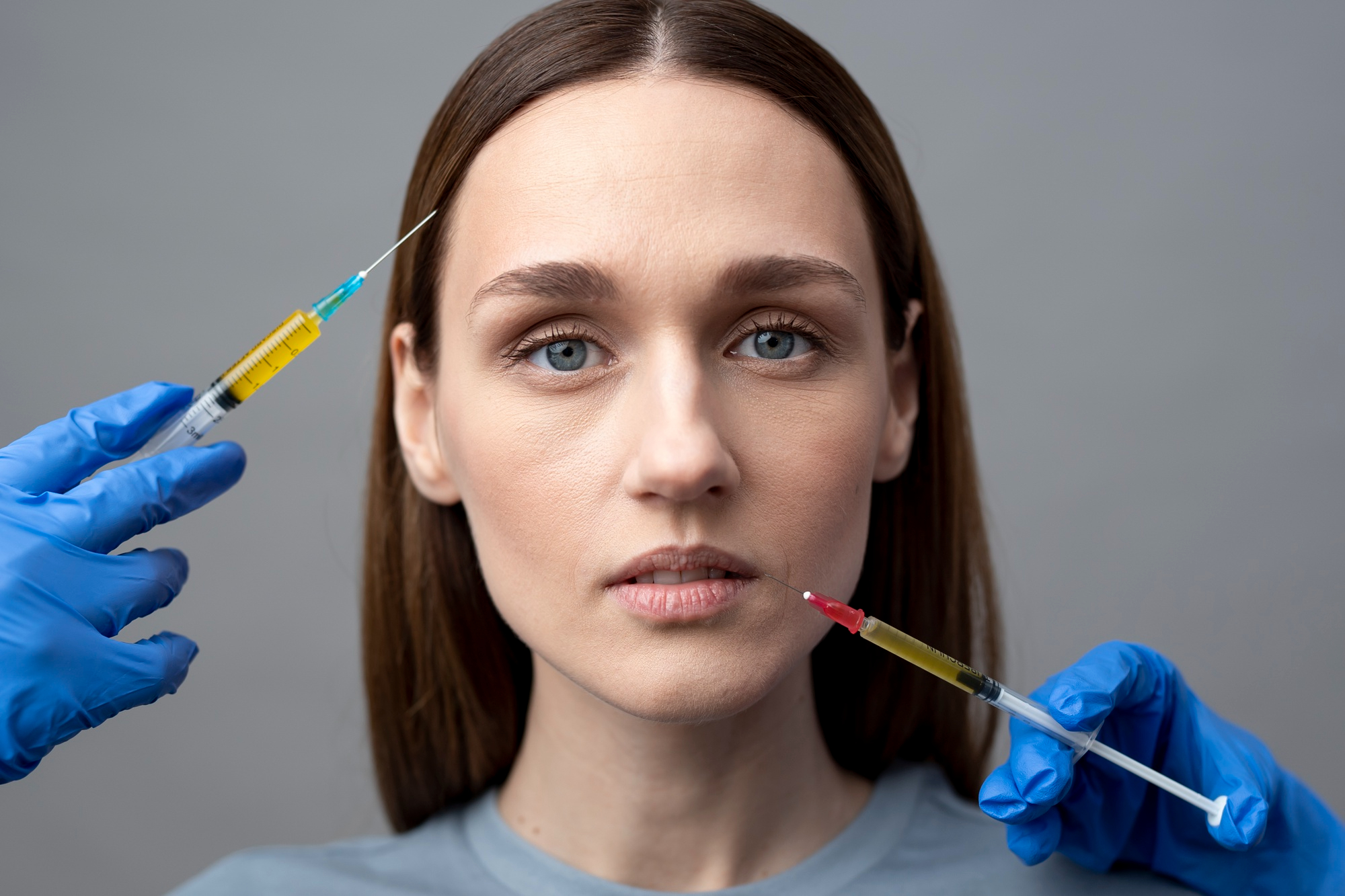
Side effects of masseter botox are generally mild and temporary. Possible bruising at the injection site, short-lived chewing fatigue as the masseter adjusts, and, in a small percentage of cases, temporary mild asymmetry of the smile resolving within 6 to 8 weeks are the most commonly reported. A rare paradoxical initial intensification of symptoms may occur in the first days before muscle relaxation takes effect. Absolute contraindications include pregnancy, known allergy to botulinum toxin, and neuromuscular disorders such as myasthenia gravis or ALS. Precautions include avoiding aspirin and blood thinners for 15 days before and after the injection, and disclosing aminoglycoside antibiotics and all current medications at the consultation. An assessment confirms eligibility before any treatment proceeds.
Good candidates are adults experiencing symptomatic bruxism: jaw pain, morning headaches, tooth wear, and a tense or visibly enlarged masseter. The treatment is also well suited to people whose bruxism has not responded adequately to a dental night guard, or who cannot tolerate wearing one. From an aesthetic perspective, people with a constitutionally square jaw who also have bruxism-related muscle activity respond well. A purely aesthetic masseter injection without a bruxism context involves a different assessment. Non-candidates include pregnant individuals, those with neuromuscular disorders, people with recent aspirin or anticoagulant use, and anyone with a known allergy to botulinum toxin. Only an assessment can confirm eligibility for this treatment.
In the 15 days before your appointment, avoid aspirin, ibuprofen, and other blood thinners to minimise bruising risk. Disclose any anticoagulant prescriptions to your practitioner during the consultation. In the 48 hours before the session, avoid alcohol, which increases bruising, and avoid intense sun exposure on the face. On the day of your appointment, arrive with clean, product-free skin and bring a complete list of current medications and supplements. No fasting is required. After the session, avoid massaging the jaw area for 24 hours, skip intense physical activity for the rest of the day, and stay upright for at least 4 hours post-injection. Your practitioner at Clinique Main d'Or will review all preparation instructions at your consultation.
Botulinum toxin (e.g., Botox, Dysport, or other) injections into the masseter are an effective, minimally invasive approach to relieving the muscular symptoms of bruxism: jaw pain, morning headaches, and nighttime clenching. For people with bruxism-related masseter hypertrophy, the treatment also progressively slims the lower face as the muscle relaxes over several weeks. Masseter botox relieves symptoms but does not cure the underlying cause of bruxism, a distinction worth understanding before booking. For Montreal residents considering this treatment for bruxism relief or jaw slimming, Clinique Main d'Or offers a personalised assessment with an INF / nurse practitioner before any protocol is initiated. The next step is a consultation to determine whether this approach is appropriate for your specific situation.
Dans l'émergence des soins esthétiques non chirurgicaux, la clinique Main d'Or a été fondée par Mirna Saadé - infirmière clinicienne, avec pour mission d'offrir des soins esthétiques injectables et des soins de la peau où la sécurité et l'efficacité seront les priorités.
%201.png)


